Are You Using Your Left-Handed Utensils Correctly? Tips & Tricks

By Mike Southpaw · Left-Handed Tool Tester
Published June 22, 2026 · Last reviewed June 22, 2026
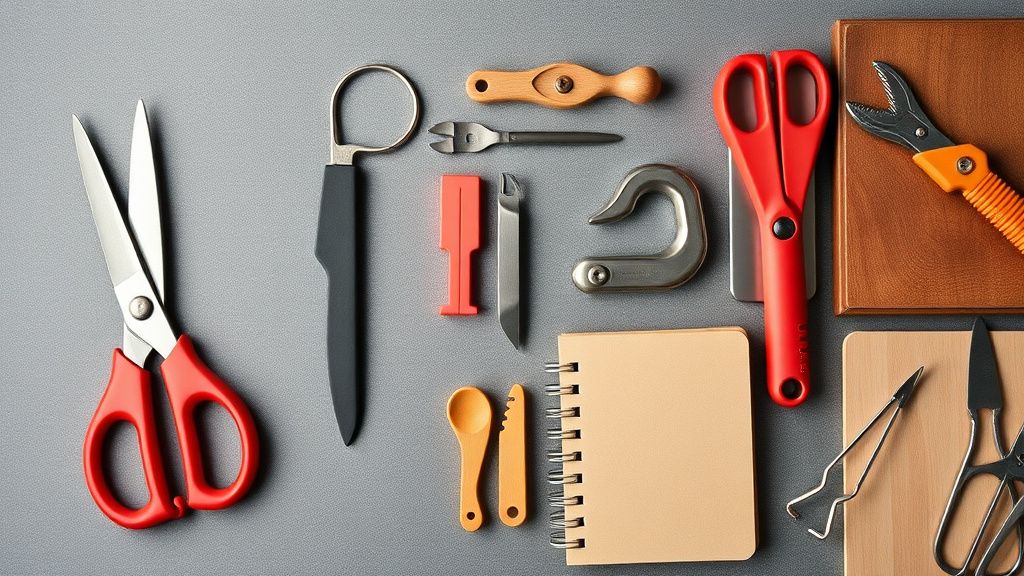
Why Left-Handed Utensils Matter
Left-handed individuals often face challenges with everyday tools designed for right-handed users. From awkward grips to inefficient cutting or scooping, using right-handed utensils can lead to frustration and even discomfort. Left-handed utensils are specifically designed to address these issues, offering ergonomic shapes, reversed angles, and intuitive functionality tailored to left-handed users.
Understanding how to use these tools correctly can make a world of difference in your daily tasks. Whether you’re cooking, crafting, or writing, mastering your left-handed utensils ensures efficiency, comfort, and precision.
Types of Left-Handed Utensils
Kitchen Utensils
Left-handed kitchen tools include knives, peelers, spatulas, and ladles designed with reversed angles or ergonomic handles. For example, left-handed knives often feature an asymmetrical blade grind, ensuring smoother slicing for left-handed users. Left-handed peelers have blades oriented to work naturally with a left-handed grip.
When using these tools, pay attention to the design. For instance, a left-handed spatula may have a slightly angled head to make flipping pancakes or burgers easier. Practice using the tool with deliberate motions to get accustomed to its unique features.
Scissors
Left-handed scissors are a game-changer for cutting tasks. Unlike right-handed scissors, which force left-handed users to push the blades apart, left-handed scissors are designed with reversed blades that allow smooth cutting.
To use them correctly, ensure your thumb is in the smaller loop and your fingers in the larger one. Apply even pressure while cutting, and avoid twisting the blades, which can dull them over time.
Can Openers
Left-handed can openers feature a reversed cutting mechanism that rotates the can counterclockwise, making it easier for left-handed users to operate.
When using a left-handed can opener, place it securely on the rim of the can and turn the handle with your left hand. The design ensures a smooth, uninterrupted cut without the need for awkward wrist movements.
Notebooks
Left-handed notebooks typically feature spiral bindings on the right side or top-bound designs to prevent interference while writing.
When using these notebooks, position the binding on the opposite side of your writing hand to avoid discomfort. Use the notebook flat on a surface or fold it back to reduce strain on your wrist.
Craft Tools
Left-handed craft tools, such as rotary cutters, rulers, and knitting needles, are designed to accommodate left-handed motions. For example, left-handed rotary cutters have blades positioned for smooth cutting from left to right.
When using these tools, follow the manufacturer’s instructions for optimal results. Practice using them on scrap materials before tackling your main project to build confidence and familiarity.
Tips for Using Left-Handed Utensils
Practice Proper Technique
Even with left-handed utensils, technique matters. For example, when using a left-handed knife, adopt a proper grip and slicing motion to maximize efficiency. With scissors, maintain a steady hand and avoid forcing the blades.
Maintain Your Tools
Keep your left-handed utensils in good condition. Sharpen knives regularly, clean scissors after use, and store them properly to extend their lifespan. Well-maintained tools perform better and last longer.
Adapt to Your Needs
While left-handed utensils are designed for comfort, everyone’s preferences differ. Experiment with different tools to find what works best for you. For example, some left-handed users may prefer a slightly angled spatula over a fully reversed one.
Educate Others
If you share your kitchen or workspace with right-handed individuals, educate them about your left-handed tools. This prevents misuse and ensures your tools remain in good condition.
What to Look for When Buying Left-Handed Utensils
When shopping for left-handed utensils, consider the following factors:
Ergonomic Design
Look for tools with handles that fit comfortably in your hand. Ergonomic designs reduce strain and improve control.
Material Quality
Choose utensils made from durable materials like stainless steel or high-quality plastic. Well-made tools are more reliable and long-lasting.
Specific Features
Ensure the tool has the features you need. For example, left-handed scissors should have reversed blades, and left-handed can openers should rotate counterclockwise.
User Reviews
Read reviews from other left-handed users to gauge the tool’s performance and suitability. Feedback from people with similar needs can help you make informed decisions.
Versatility
Consider tools that can be used for multiple tasks. For example, a left-handed knife that works well for chopping, slicing, and dicing offers greater value.
By choosing the right tools and using them correctly, you can transform your daily tasks into seamless, enjoyable experiences. Left-handed utensils are more than just a convenience—they’re a necessity for achieving comfort and efficiency in a right-handed world.