Beyond the Basics: Advanced Left-Handed Gardening Techniques

By Mike Southpaw · Left-Handed Tool Tester
Published June 22, 2026 · Last reviewed June 22, 2026
Beyond the Basics: Advanced Left-Handed Gardening Techniques
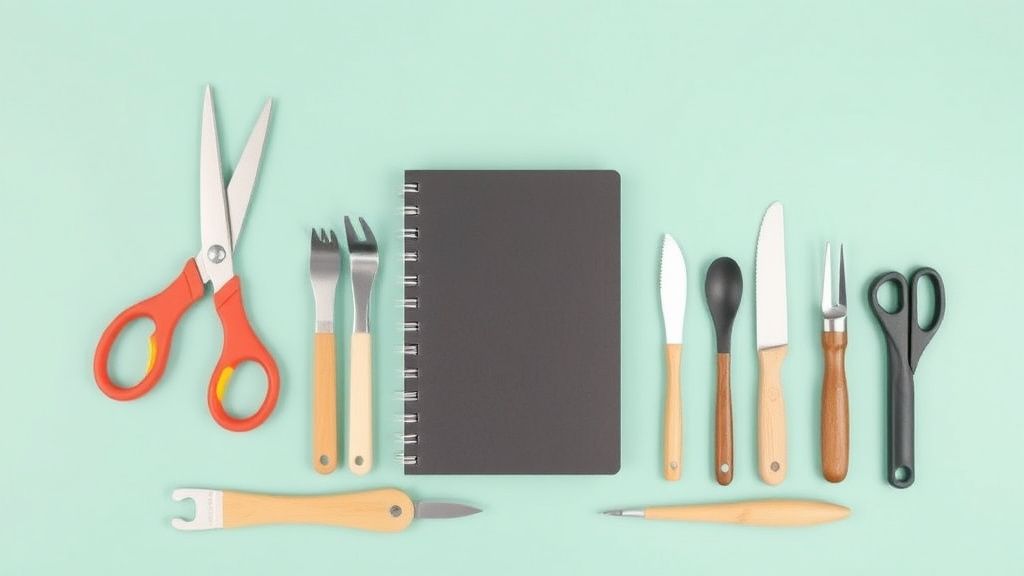
Gardening is a rewarding activity, but for left-handed individuals, it can come with unique challenges. Standard tools and techniques are often designed with right-handed users in mind, making tasks awkward or inefficient. Fortunately, specialized left-handed gardening tools and advanced techniques can transform your gardening experience. This guide explores high-level strategies and product features tailored for left-handed gardeners.
Why Left-Handed Gardening Tools Matter
Left-handed gardeners often struggle with tools that have asymmetrical designs, such as pruners, shears, and trowels. These tools may have blades or grips oriented for right-handed use, leading to discomfort or reduced precision. Left-handed versions correct these issues by reversing blade orientation, adjusting grip ergonomics, and ensuring smoother operation.
For example, left-handed pruning shears feature reversed blades so that the cutting action aligns naturally with a left-handed grip. Similarly, ergonomic handles with contoured grips reduce strain during prolonged use. Investing in these tools not only improves efficiency but also prevents long-term wrist and hand fatigue.
Advanced Tools for Left-Handed Gardeners
1. Left-Handed Pruners and Shears
Pruning is a precise task, and using right-handed shears can lead to uneven cuts or hand strain. Left-handed pruners have blades mounted in reverse, allowing clean, controlled cuts. Look for:
- Blade orientation: Ensure the cutting blade is on the correct side for left-handed use.
- Rotating handles: Some models feature handles that rotate to reduce friction and pressure on the wrist.
- Non-slip grips: Textured or cushioned handles improve control, especially in wet conditions.
2. Left-Handed Trowels and Shovels
Digging tools with offset handles or angled heads can make a big difference. Left-handed trowels often have:
- Asymmetrical blade design: The curve of the blade is reversed for easier scooping.
- Ergonomic handles: Contoured grips reduce strain on the wrist when turning soil.
- Reinforced edges: Some models have reinforced tips for durability in rocky soil.
3. Left-Handed Hoes and Cultivators
Weeding and soil cultivation require smooth, controlled movements. Left-handed hoes often feature:
- Angled heads: The blade is set at an angle that matches a left-handed swing.
- Lightweight materials: Aluminum or fiberglass shafts reduce fatigue during extended use.
- Dual-handed adaptability: Some tools have reversible heads for ambidextrous use.
4. Specialty Left-Handed Tools
- Left-handed garden knives: These have single-bevel blades for clean cuts when harvesting or dividing plants.
- Scissors with reversed blades: Ideal for deadheading flowers or trimming delicate plants.
- Ergonomic gloves: Designed with reinforced padding on the left hand for tasks like raking or gripping.
Advanced Techniques for Left-Handed Gardeners
1. Efficient Planting and Seeding
Left-handed gardeners often find it easier to work from right to left when planting rows. This allows for smoother seed placement and covering. Try:
- Using a left-handed seed dispenser for even spacing.
- Planting in reverse rows to maintain a natural wrist motion.
2. Pruning with Precision
When pruning trees or shrubs, left-handed gardeners should:
- Approach branches from the opposite side to ensure clean cuts.
- Use bypass pruners (rather than anvil pruners) for cleaner cuts on live wood.
3. Soil Cultivation and Weeding
- Angle your body slightly to the right when using a hoe or cultivator for better leverage.
- Push rather than pull when using a left-handed hoe to maintain control.
4. Harvesting Techniques
- Hold harvesting tools (like shears) at a slight angle to match the natural left-handed cutting motion.
- Use a left-handed harvesting knife for clean, efficient cuts on vegetables and herbs.
What to Look for in Left-Handed Gardening Tools
When shopping for left-handed gardening tools, consider the following:
- Blade or head orientation: Ensure the tool is truly designed for left-handed use, not just labeled as “ambidextrous.”
- Grip comfort: Look for contoured, non-slip handles that fit comfortably in your left hand.
- Material quality: Stainless steel or high-carbon steel blades resist rust and stay sharp longer.
- Weight and balance: Tools should feel balanced in your left hand without excessive wrist strain.
- Adjustability: Some tools offer reversible components for flexibility in different tasks.
Final Thoughts
Left-handed gardeners no longer need to adapt to right-handed tools. With specialized equipment and refined techniques, you can work more efficiently and comfortably. Whether you’re pruning, digging, or harvesting, investing in left-handed gardening tools will enhance your experience and help you achieve better results in the garden.
By understanding the unique needs of left-handed users and selecting the right tools, you can take your gardening skills to the next level—beyond the basics. Happy gardening!