Buying Guide: Left-Handed Art Supplies for All Mediums

By Mike Southpaw · Left-Handed Tool Tester
Published June 22, 2026 · Last reviewed June 22, 2026
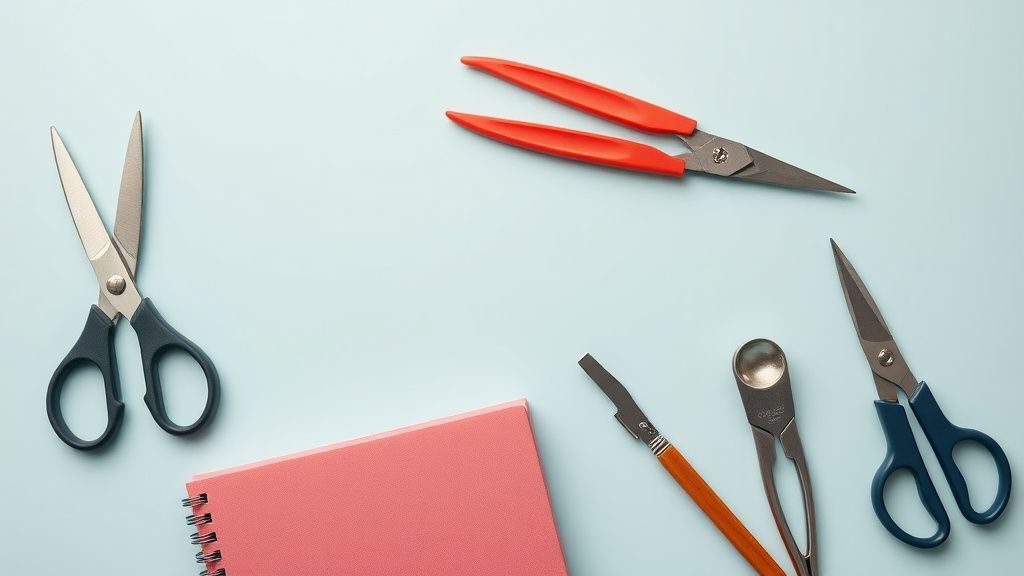
Buying Guide: Left-Handed Art Supplies for All Mediums
Left-handed artists face unique challenges when using traditional art supplies designed for right-handed users. From smudged drawings to awkwardly shaped tools, the struggle is real. Fortunately, specialized left-handed art supplies can make the creative process smoother and more enjoyable. This guide covers essential tools for left-handed artists across various mediums, including drawing, painting, calligraphy, and crafting.
Left-Handed Drawing Tools
Pencils and Erasers
Standard pencils and erasers can be uncomfortable for left-handed users due to the way they’re held and the smudging that occurs as the hand drags across the page.
What to Look For:
- Smudge-resistant graphite pencils with harder leads (e.g., H or 2H grades) reduce smearing.
- Left-handed ergonomic pencils with contoured grips prevent hand fatigue.
- Soft, kneaded erasers lift graphite without rubbing, minimizing smudges.
Sketchbooks and Paper
Left-handed artists often struggle with spiral-bound sketchbooks, as the rings interfere with natural hand movement.
What to Look For:
- Top-bound or glue-bound sketchbooks allow for seamless left-to-right drawing.
- Smooth, heavyweight paper (100+ gsm) resists graphite and ink smudging.
- Perforated pages make it easier to tear out work without awkward angles.
Left-Handed Painting Supplies
Brushes
Standard brushes are often angled for right-handed strokes, making precise control difficult for lefties.
What to Look For:
- Symmetrical or left-handed brushes with balanced bristle shapes for smoother strokes.
- Shorter handles for better control in detailed work.
- Synthetic bristles that hold paint well without excessive dripping.
Palettes
Traditional palettes are designed for right-handed painters, forcing lefties to reach awkwardly.
What to Look For:
- Ambidextrous or left-handed palettes with wells positioned for easy left-hand access.
- Wet palettes with airtight seals to keep paints workable longer, reducing strain.
Left-Handed Calligraphy & Writing Tools
Fountain Pens and Nibs
Standard fountain pen nibs are cut for right-handed users, causing ink flow issues for lefties.
What to Look For:
- Left-handed fountain pen nibs (often labeled “LH”) with modified tipping for smoother ink flow.
- Quick-drying inks to prevent smearing (e.g., pigment-based or archival inks).
- Oblique or rounded nibs that reduce paper catching.
Calligraphy Sets
Many calligraphy guides assume right-handed strokes, making learning difficult.
What to Look For:
- Left-handed calligraphy guides with mirrored stroke instructions.
- Angled writing pads that tilt paper for better pen positioning.
Left-Handed Crafting & Specialty Tools
Scissors
Standard scissors are designed for right-handed pressure, causing left-handed users to struggle with clean cuts.
What to Look For:
- True left-handed scissors with reversed blades and handles.
- Spring-loaded or ergonomic handles to reduce hand strain.
Rulers and Cutting Mats
Measuring and cutting tools often have markings that are difficult to read from a left-handed angle.
What to Look For:
- Double-sided rulers with mirrored measurements.
- Non-slip cutting mats with grid lines visible from all angles.
What to Look for in Left-Handed Art Supplies
When shopping for left-handed art tools, keep these key features in mind:
- Ergonomics – Tools should fit comfortably in a left-handed grip without causing strain.
- Smudge Resistance – Look for quick-drying inks, smudge-proof paper, and hard graphite.
- Mirrored or Ambidextrous Design – Products should accommodate left-to-right motion naturally.
- Durability – Left-handed tools should withstand the unique pressure and angle of use.
Final Thoughts
Left-handed artists no longer have to struggle with ill-fitting tools. By choosing specialized supplies—whether it’s smudge-resistant paper, left-handed scissors, or ergonomic brushes—you can enhance your creativity and workflow. Always test tools when possible and prioritize comfort and functionality. Happy creating!