Buying Guide: Left-Handed School Supplies for Students of All Ages

By Mike Southpaw · Left-Handed Tool Tester
Published June 22, 2026 · Last reviewed June 22, 2026
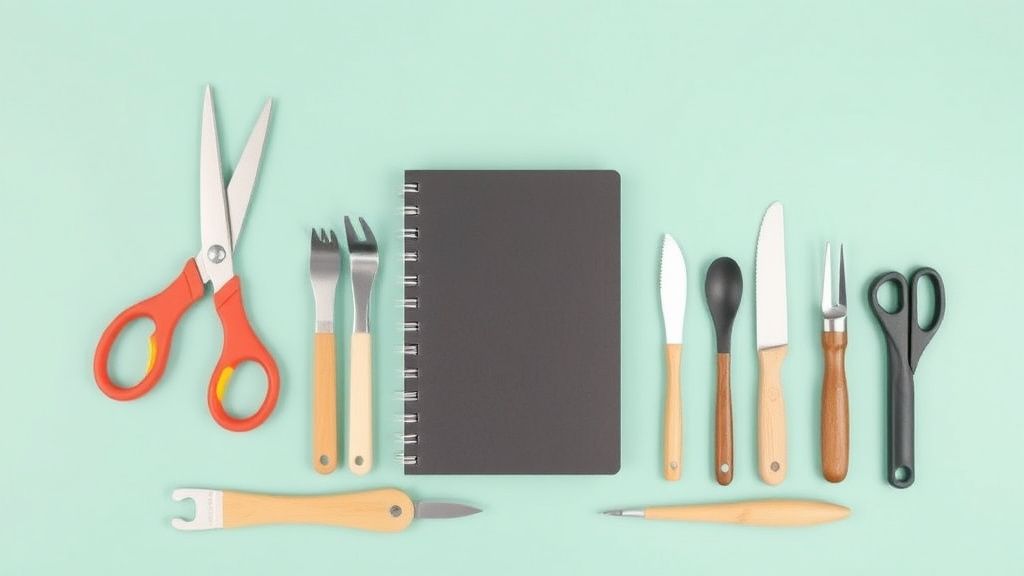
Buying Guide: Left-Handed School Supplies for Students of All Ages
For left-handed students, everyday school supplies can pose unexpected challenges—from smudged handwriting to awkwardly designed scissors. Fortunately, specialized left-handed tools and supplies can make learning more comfortable and efficient. This guide covers essential school supplies tailored for left-handers, from young learners to college students.
Why Left-Handed Supplies Matter
Left-handed students face unique hurdles with standard school tools:
- Smudging: Writing left-to-right drags the hand across fresh ink or pencil marks.
- Ergonomics: Many tools (scissors, rulers, notebooks) favor right-handed use, forcing awkward positioning.
- Visibility: Spiral notebooks and binders obstruct writing space for left-handed users.
Specialized left-handed supplies address these issues with thoughtful design, improving comfort and performance.
Essential Left-Handed School Supplies
1. Left-Handed Scissors
Standard scissors have blades aligned for right-handed use, causing left-handed users to push rather than cut smoothly. What to look for:
- Blades reversed so the top blade is on the left for clean cutting.
- Ergonomically shaped handles for natural grip.
- Ambidextrous scissors (often less effective; dedicated left-handed models are preferable).
2. Left-Handed Notebooks
Spiral-bound notebooks are a common frustration, as the spiral interferes with left-handed writing. Solutions include:
- Top- or bottom-bound notebooks: No side spiral to bump against.
- Left-handed spiral notebooks: Bound on the right side for unobstructed writing.
- Lay-flat designs: Glue-bound or perforated pages for easier writing.
3. Left-Handed Pens and Pencils
Quick-drying ink and specialized grips reduce smudging and hand fatigue. What to look for:
- Fast-drying ink: Gel or rollerball pens with smudge-resistant formulas.
- Pencil grips: Contoured for left-handed finger placement.
- Indented barrels: Prevent slipping during long writing sessions.
4. Left-Handed Rulers
Traditional rulers place measurements right-to-left, forcing left-handed users to read upside-down. Look for:
- Dual-scale rulers: Measurements printed in both directions.
- Non-slip bases: Prevent shifting when drawing lines.
5. Left-Handed Pencil Sharpeners
Standard sharpeners twist clockwise, which feels unnatural for left-handed users. Alternatives include:
- Dual-direction sharpeners: Work with left- or right-handed twisting.
- Electric sharpeners: Eliminate handedness issues entirely.
Left-Handed Supplies by Age Group
Young Learners (Ages 5–10)
- Jumbo pencils: Thicker barrels for easier grip.
- Left-handed writing guides: Templates to practice letter formation.
- Safety scissors: Smaller, lightweight left-handed models for little hands.
Middle & High School (Ages 11–18)
- Mechanical pencils: Smudge-resistant and ergonomic.
- Left-handed art supplies: Including specialized protractors and calligraphy pens.
- Backpack-friendly binders: With left-handed ring placement.
College & Beyond
- Left-handed laptop mice: Ergonomic designs to reduce strain.
- Clipboards with left-aligned clips: Avoid wrist obstruction.
- Left-handed desks (if available): Angled writing surfaces for comfort.
What to Look for in Left-Handed Supplies
When shopping for left-handed school tools, prioritize:
- Ergonomics: Tools should feel natural, reducing strain.
- Functionality: Avoid “ambidextrous” versions that compromise on left-handed efficiency.
- Durability: Left-handed tools should withstand frequent use without wear patterns favoring right-handers.
- User reviews: Real feedback from left-handed students helps identify practical designs.
Final Tips
- Test tools before buying (if possible) to assess comfort.
- Encourage teachers to accommodate left-handed needs (e.g., seating on the left side of shared desks).
- Combine specialized tools with adaptable habits (e.g., tilting paper to reduce smudging).
Investing in proper left-handed supplies can transform a student’s academic experience—reducing frustration and boosting confidence in daily tasks. Whether for a first-grader or a graduate student, the right tools make all the difference.