Choosing the Right Left-Handed Fabric Scissors for Your Projects

By Mike Southpaw · Left-Handed Tool Tester
Published June 22, 2026 · Last reviewed June 22, 2026
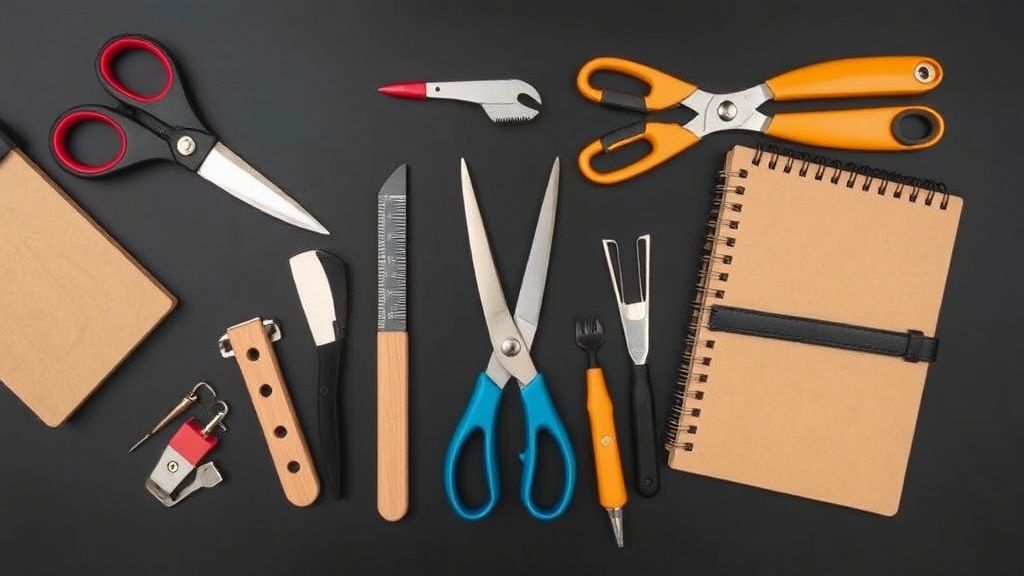
Why Left-Handed Fabric Scissors Matter
For left-handed sewists, quilters, and crafters, using right-handed scissors can be frustrating and even painful. Standard scissors are designed with the blade orientation and handle ergonomics optimized for right-handed users, forcing left-handers to strain their hands or cut in awkward positions. Left-handed fabric scissors reverse the blade orientation, allowing for smoother, more precise cuts while reducing hand fatigue.
Investing in a dedicated pair of left-handed fabric scissors ensures:
- Cleaner cuts – The blade alignment prevents fabric from bunching or fraying.
- Reduced strain – Ergonomically shaped handles fit naturally in a left hand.
- Longer tool life – Using scissors designed for your dominant hand prevents unnecessary wear on the blades.
Types of Left-Handed Fabric Scissors
Not all scissors are created equal—different projects require different blade styles. Here are the most common types of left-handed fabric scissors and their best uses:
Dressmaker Shears
- Blade Length: 8–10 inches
- Best for: Cutting large fabric pieces, straight lines, and multiple layers.
- Features: Long, sharp blades with a slight curve for smooth gliding. Often have an offset handle to keep fabric flat while cutting.
Tailor’s Scissors
- Blade Length: 6–8 inches
- Best for: Precision cutting, curves, and detailed work.
- Features: Shorter, slightly curved blades for maneuverability. Ideal for trimming seams and working with heavier fabrics like denim or wool.
Pinking Shears
- Blade Length: 7–9 inches
- Best for: Preventing fraying with zigzag edges.
- Features: Serrated blades that create a decorative or functional edge. Must be left-handed to ensure clean cuts.
Embroidery Scissors
- Blade Length: 3–5 inches
- Best for: Delicate work, snipping threads, and intricate appliqué.
- Features: Small, sharp points for precision. Often come with a protective sheath.
Key Features to Consider
When selecting left-handed fabric scissors, pay attention to these details:
Blade Material
- Stainless Steel: Resists rust and holds a sharp edge longer.
- Titanium-Coated: Extra durability and smoother cutting.
- High-Carbon Steel: Stays sharper longer but requires more maintenance to prevent rust.
Handle Design
- Ergonomic Grips: Reduce hand fatigue during long cutting sessions.
- Offset Handles: Keep knuckles from dragging on the table.
- Soft-Grip Coatings: Provide comfort and prevent slipping.
Pivot Screw Adjustment
A well-adjusted screw ensures smooth opening and closing. Some models allow for tension adjustment, which is helpful for fine-tuning cutting resistance.
What to Look for When Buying Left-Handed Fabric Scissors
Before making a purchase, keep these practical tips in mind:
- Blade Alignment: Ensure the top blade is on the left side when held in your left hand—this is crucial for proper cutting.
- Comfort Test: If possible, hold the scissors to check for a natural grip.
- Weight Balance: Heavier scissors may provide smoother cuts, but lightweight models reduce strain.
- Maintenance: Look for models that are easy to clean and sharpen.
- Dedicated Use: Reserve your fabric scissors for fabric only—using them on paper or other materials dulls the blades faster.
Caring for Your Left-Handed Scissors
Proper maintenance extends the life of your scissors:
- Wipe Blades After Use: Remove lint and fabric residue.
- Oil the Pivot: A drop of sewing machine oil keeps the action smooth.
- Store Properly: Keep them in a sheath or dry place to prevent damage.
- Sharpen When Needed: Use a professional sharpener familiar with left-handed blades.
Final Thoughts
Choosing the right left-handed fabric scissors can transform your sewing and crafting experience. Whether you need heavy-duty shears for quilting or delicate embroidery scissors for fine details, investing in a quality pair designed for left-handers ensures comfort, precision, and longevity. By paying attention to blade type, handle ergonomics, and maintenance, you’ll find scissors that make every project easier and more enjoyable.