Crafting Comfort: The Best Left-Handed Art and Craft Supplies

By Mike Southpaw · Left-Handed Tool Tester
Published June 22, 2026 · Last reviewed June 22, 2026
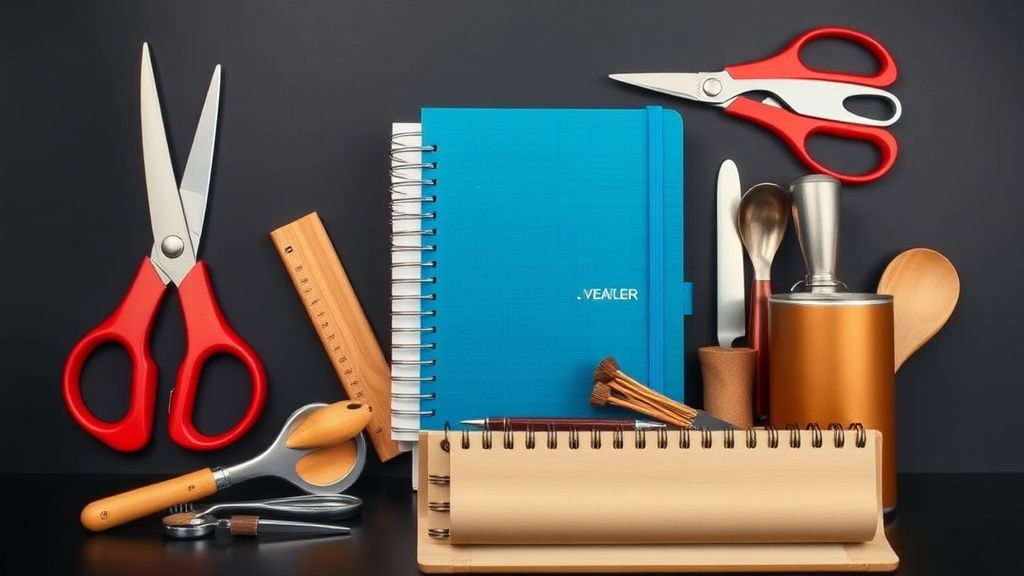
Crafting Comfort: The Best Left-Handed Art and Craft Supplies
Left-handed artists and crafters face unique challenges when using tools designed for right-handed users. From awkward scissors to smudged ink, the right supplies can make all the difference in comfort and precision. Here’s a guide to the best left-handed art and craft supplies, designed to enhance creativity without compromise.
Left-Handed Scissors: Precision Without Strain
Standard scissors force left-handers to push the blades apart, leading to uneven cuts and hand fatigue. True left-handed scissors reverse the blade orientation, allowing smooth, controlled cutting.
Key Features:
- Blades are ground for left-handed use, ensuring clean cuts.
- Ergonomic handles molded for left-hand grip.
- Ambidextrous scissors often don’t solve the issue—look for dedicated left-handed models.
Best For: Paper crafting, fabric cutting, and detailed trimming.
Left-Handed Rulers and Measuring Tools
Measuring tools with markings on the top edge make it easier for left-handers to read measurements without obstruction.
Key Features:
- Numbers and increments printed right-to-left or on both edges.
- Non-slip bases to prevent shifting while marking.
- Clear acrylic rulers for visibility when aligning with left-hand positioning.
Best For: Quilting, drafting, and woodworking layouts.
Smudge-Free Writing and Drawing Tools
Left-handed writers and artists often drag their hands across fresh ink or graphite, leading to smudges. Specialized tools minimize this frustration.
Key Features:
- Fast-drying inks or smudge-resistant graphite in pencils.
- Angled or contoured grips to encourage a more elevated hand position.
- Smooth-glide pens with quick-drying formulas.
Best For: Sketching, calligraphy, and journaling.
Left-Handed Craft Knives and Cutting Tools
Standard craft knives can feel unwieldy for left-handers due to blade bevels designed for right-handed pressure.
Key Features:
- Reversible or left-handed blade mounts for precision control.
- Ergonomic handles with finger grooves for a secure left-hand grip.
- Swivel blades for easier maneuvering on cutting mats.
Best For: Model-making, stencil cutting, and detailed paper art.
Notebooks and Sketchbooks with Left-Handed Bindings
Spiral-bound notebooks can dig into the wrist when used by left-handers. Side-bound or top-bound alternatives provide a smoother experience.
Key Features:
- Lay-flat or top-bound designs to avoid interference.
- Perforated pages on the correct side for easy removal.
- Smudge-resistant paper for ink-based mediums.
Best For: Journaling, sketching, and note-taking.
Left-Handed Pottery and Clay Tools
Working with clay requires tools that complement natural left-handed movements, particularly for trimming and shaping.
Key Features:
- Asymmetrical loop tools with reversed angles for left-hand control.
- Left-handed pottery wheels with pedal placement for comfort.
- Ribs and scrapers contoured for left-hand use.
Best For: Ceramics, sculpting, and hand-building clay projects.
Ergonomic Crafting Accessories
Even small tools like crochet hooks, knitting needles, and embroidery hoops can be optimized for left-handed use.
Key Features:
- Tapered crochet hooks with grips for left-hand comfort.
- Knitting needles with rounded tips for smoother left-handed stitching.
- Adjustable embroidery hoops with left-handed tension controls.
Best For: Fiber arts, needlework, and yarn crafts.
What to Look for When Buying Left-Handed Craft Supplies
Not all products marketed as “left-handed” are equally effective. Here’s how to choose the best tools:
- Blade or Edge Orientation – Ensure cutting tools are truly reversed, not just labeled ambidextrous.
- Ergonomic Design – Handles should fit naturally in a left-hand grip.
- Material Quality – Durable materials prevent frustration from tools that wear unevenly.
- User Reviews – Look for feedback from fellow left-handers to confirm real-world usability.
- Purpose-Specific Features – A calligraphy pen’s needs differ from a woodworking tool—choose accordingly.
Final Thoughts
Left-handed crafters shouldn’t have to adapt to right-handed tools. With specialized scissors, smudge-resistant pens, ergonomic knives, and thoughtfully designed notebooks, creativity can flow without unnecessary obstacles. Investing in the right supplies ensures comfort, precision, and enjoyment in every project.
Whether you’re sketching, sewing, or sculpting, the right tools make all the difference—so craft with confidence!