Essential Left-Handed Kitchen Tools You Didn't Know You Needed

By Mike Southpaw · Left-Handed Tool Tester
Published June 22, 2026 · Last reviewed June 22, 2026
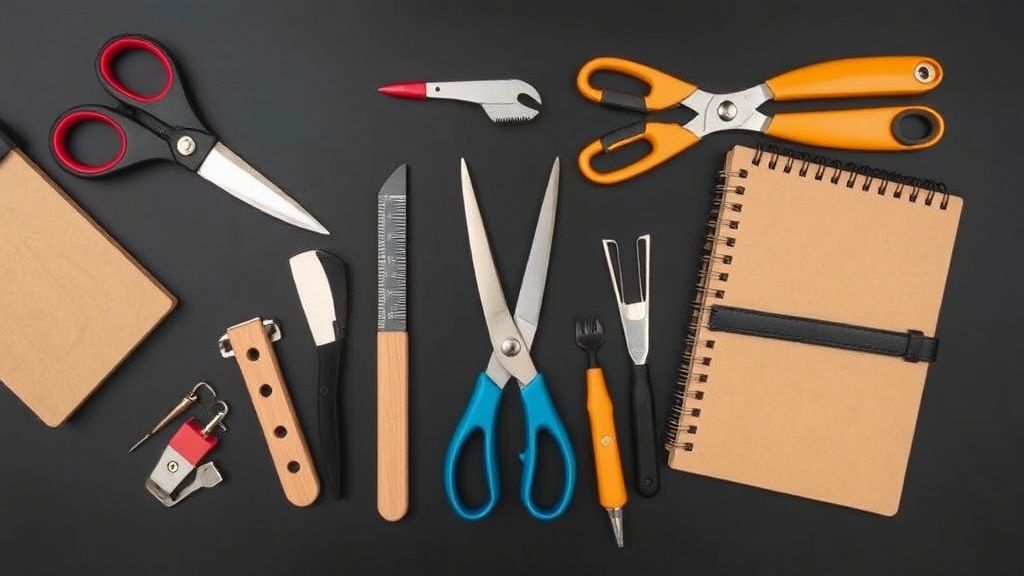
Essential Left-Handed Kitchen Tools You Didn’t Know You Needed
Left-handed cooks face daily frustrations in the kitchen—awkward scissors, stubborn can openers, and knives that just don’t feel right. While many tools claim to be “universal,” they’re often designed with right-handed users in mind. Fortunately, specialized left-handed kitchen tools can make prep work faster, safer, and more comfortable. Here’s a breakdown of the most useful left-handed kitchen tools you might not know exist—but will wonder how you ever lived without.
Left-Handed Kitchen Shears
Standard scissors force left-handed users to push the blades apart rather than slice cleanly, leading to crushed herbs, ragged cuts, and hand fatigue. Left-handed kitchen shears solve this problem with reversed blades and ergonomic handles.
Key Features:
- Blade orientation: The top blade is on the left side, ensuring smooth cutting.
- Ambidextrous locks: Some models have reversible locks to prevent accidental closures.
- Multi-purpose use: Look for shears with nutcrackers, bottle openers, or herb strippers built in.
Best for: Snipping herbs, breaking down poultry, opening packages.
Left-Handed Can Openers
Traditional can openers require a clockwise turning motion, which feels unnatural for left-handed users and often leaves jagged edges. Left-handed versions reverse the mechanism for effortless operation.
Key Features:
- Counter-clockwise rotation: The turning knob is positioned for left-handed grip.
- Smooth cutting: Blades are angled to prevent slipping and ensure clean edges.
- Magnetic lid lifters: Some models include magnets to safely remove lids.
Best for: Everyday can opening without strain or frustration.
Left-Handed Knives
Most knives have asymmetrical blade grinds, favoring right-handed users. Left-handed knives feature reversed bevels for better control and precision.
Key Features:
- Single-bevel or symmetrical edges: Ensures clean cuts without veering.
- Ergonomic handles: Contoured for left-handed grip to reduce fatigue.
- Full tang construction: Provides balance and durability.
Best for: Slicing, dicing, and chopping with improved accuracy.
Left-Handed Measuring Cups and Spoons
Standard measuring tools have markings on one side, forcing left-handed users to awkwardly twist their wrists to read measurements. Left-handed versions place the markings on the opposite side.
Key Features:
- Reverse-printed measurements: Easy-to-read numbers when held in the left hand.
- Nested designs: Stackable for compact storage.
- Durable materials: Look for stainless steel or heavy-duty plastic.
Best for: Baking and precise ingredient measuring.
Left-Handed Peeler
Peeling vegetables with a right-handed peeler often feels clumsy and inefficient. Left-handed peelers feature reversed blades for smoother, safer motion.
Key Features:
- Blade orientation: Cuts efficiently when pulled toward the body.
- Comfortable grip: Textured or contoured handles for better control.
- Swivel blades: Adjusts to the shape of fruits and vegetables.
Best for: Peeling potatoes, carrots, and apples with ease.
Left-Handed Spatulas and Turners
Standard spatulas have angled edges that don’t flip food properly when used left-handed. Left-handed versions correct this with reversed angles.
Key Features:
- Reversed bevel: Lifts food cleanly without bending awkwardly.
- Heat-resistant materials: Silicone or metal for high-temperature cooking.
- Thin, flexible edges: Ideal for delicate foods like fish or pancakes.
Best for: Flipping eggs, burgers, and delicate pastries.
Left-Handed Graters and Zesters
Right-handed graters often have slanted blades that don’t work efficiently for left-handed users. Left-handed graters reverse the blade angle for smoother shredding.
Key Features:
- Reversed blade angles: Optimized for left-handed motion.
- Non-slip bases: Prevents slipping during use.
- Multi-surface options: Fine, coarse, and zesting sides.
Best for: Grating cheese, zesting citrus, and shredding vegetables.
Left-Handed Whisks
Whisking with a right-handed tool can feel unbalanced. Left-handed whisks often feature ergonomic handles and reinforced loops for better control.
Key Features:
- Offset handles: Reduces wrist strain.
- Sturdy wires: Prevents bending during vigorous mixing.
- Silicone grips: For comfort and slip resistance.
Best for: Whipping cream, beating eggs, and mixing batters.
What to Look for When Buying Left-Handed Kitchen Tools
Not all left-handed tools are created equal. Here’s how to choose the best ones:
- Blade or Mechanism Orientation: Ensure the tool is genuinely left-handed (reversed blades, counter-clockwise operation, etc.).
- Ergonomics: Look for contoured handles or grips designed for left-handed comfort.
- Material Quality: Opt for durable materials like stainless steel, high-grade plastic, or reinforced silicone.
- Versatility: Some tools (like shears or spatulas) offer multi-functional features—worth considering if you prefer fewer gadgets.
- Ease of Cleaning: Dishwasher-safe or seamless designs save time.
Investing in a few key left-handed kitchen tools can transform your cooking experience from frustrating to effortless. Whether you’re a casual cook or a serious chef, these tools ensure precision, safety, and comfort—so you can focus on creating delicious meals without the struggle.