Exploring the Latest Innovations in Left-Handed Kitchen Tools

By Mike Southpaw · Left-Handed Tool Tester
Published June 22, 2026 · Last reviewed June 22, 2026
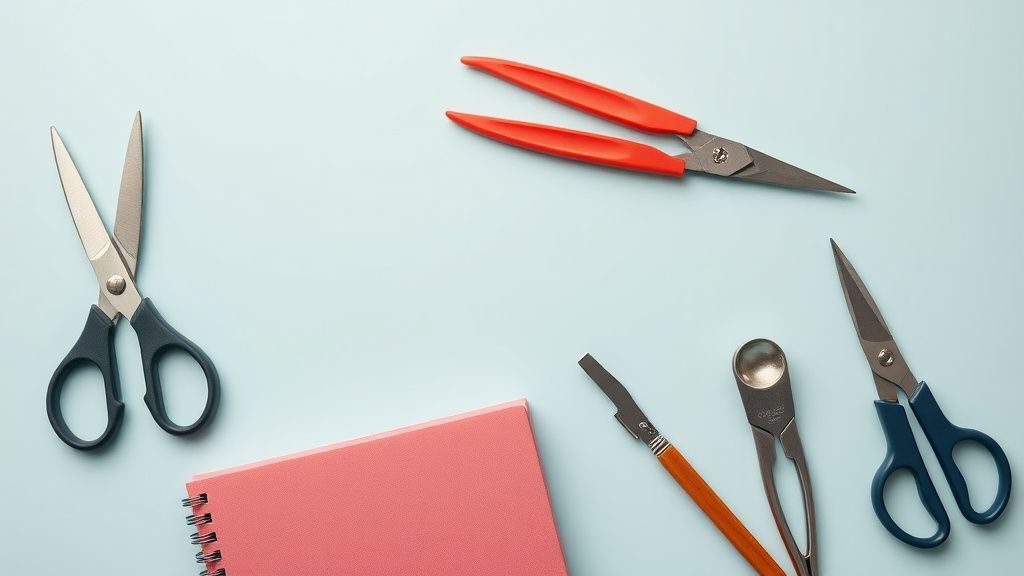
Why Left-Handed Kitchen Tools Matter
For left-handed individuals, everyday kitchen tasks—like chopping vegetables, opening cans, or slicing bread—can be frustrating when using standard right-handed tools. Many kitchen gadgets are designed with right-handed users in mind, leading to awkward grips, inefficient motions, and even safety risks for lefties. Fortunately, manufacturers are increasingly recognizing the need for specialized left-handed kitchen tools that improve comfort, precision, and efficiency.
In this article, we’ll explore the latest innovations in left-handed kitchen tools, from knives to can openers, and how they can transform your cooking experience.
Left-Handed Kitchen Knives
Blade Geometry and Edge Grind
Most kitchen knives are sharpened with a right-handed bias, meaning the edge is optimized for right-handed cutting motions. Left-handed knives feature a reversed edge grind, ensuring cleaner cuts and reduced slippage. Look for:
- Symmetrical or left-handed edge grinds – Ensures the blade doesn’t veer off course when slicing.
- Ergonomic handles – Contoured for a natural left-handed grip, reducing strain.
Types of Left-Handed Knives
- Chef’s knives – Wider blades with lefty-friendly balance.
- Paring knives – Precision tools for detailed work.
- Bread knives – Serrated edges cut smoothly without tearing.
Left-Handed Can Openers
Traditional can openers require a clockwise turning motion, which feels unnatural for left-handed users. Modern left-handed can openers address this with:
- Reverse-gear mechanisms – Operate counterclockwise for effortless use.
- Magnetic lid lifters – Keep hands safe from sharp edges.
- Ergonomic handles – Designed for left-handed grip comfort.
Electric left-handed can openers are also available, automating the process with lefty-friendly controls.
Left-Handed Scissors & Shears
Kitchen scissors are a common pain point for lefties, as standard models force awkward hand positioning. Left-handed versions feature:
- Blade reversal – The top blade is on the left side for proper cutting alignment.
- Ambidextrous or left-specific grips – Prevents hand fatigue.
- Heavy-duty options – For tasks like breaking down poultry or snipping herbs.
Left-Handed Measuring Cups & Spoons
Accurate measuring is crucial in cooking, but many measuring tools have markings only on one side. Left-handed versions include:
- Dual-sided markings – Readable from either side.
- Angled handles – Pour spouts positioned for left-handed pouring.
- Magnetic stacking – Easy storage without fumbling.
Left-Handed Graters & Peelers
Standard peelers and graters often feel unwieldy for left-handed users. Innovations include:
- Reversible blades – Adjustable for left or right-handed use.
- Non-slip grips – Better control when grating cheese or peeling vegetables.
- Vertical or horizontal orientation options – Choose based on comfort.
Left-Handed Mixing Bowls & Whisks
Mixing ingredients can be cumbersome when bowls have pour spouts on the wrong side. Left-handed mixing tools feature:
- Symmetrical or reversed spouts – For easy left-handed pouring.
- Non-slip bases – Prevent sliding during vigorous whisking.
- Offset whisks – Designed for left-handed stirring motions.
Left-Handed Cutting Boards
Many cutting boards have juice grooves or angled edges positioned for right-handed users. Left-handed versions offer:
- Reversed grooves – Catches juices on the left side.
- Non-slip feet – Stays steady during chopping.
- Dual-sided designs – Suitable for both left and right-handed users.
What to Look for in Left-Handed Kitchen Tools
When shopping for left-handed kitchen tools, keep these factors in mind:
- True Left-Handed Design – Some products are marketed as “ambidextrous” but still favor right-handed users. Look for tools specifically labeled for left-handed use.
- Ergonomics – Handles should fit comfortably in a left-handed grip without straining the wrist.
- Material Quality – Stainless steel, durable plastics, and non-slip coatings ensure longevity.
- Functionality – Test if the tool performs smoothly in left-handed motions (e.g., cutting, peeling, opening).
- User Reviews – Feedback from other left-handed users can highlight real-world performance.
Final Thoughts
Investing in left-handed kitchen tools can make cooking more enjoyable, efficient, and safer. From knives with reversed edge grinds to can openers that turn the correct way, these innovations cater to the unique needs of left-handed chefs. As demand grows, more manufacturers are stepping up with thoughtful designs—so whether you’re a casual cook or a culinary enthusiast, there’s never been a better time to upgrade your kitchen with tools made just for you.