How to Teach a Child to Write Left-Handed: A Parent's Guide

By Mike Southpaw · Left-Handed Tool Tester
Published June 22, 2026 · Last reviewed June 22, 2026
Understanding Left-Handed Writing Challenges
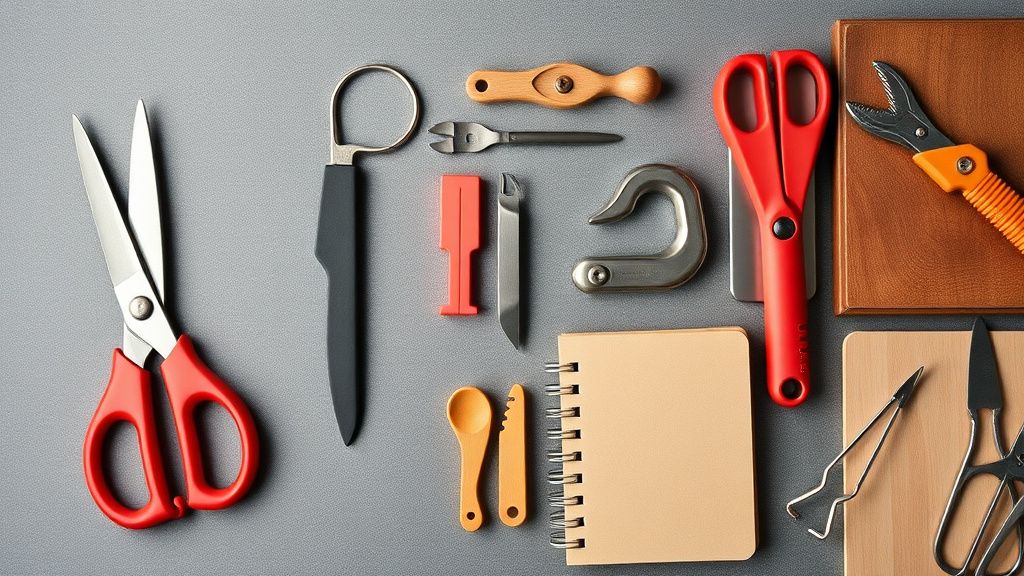
Left-handed children face unique challenges when learning to write, from smudging ink to awkward hand positioning. Unlike right-handed writers, lefties must push the pen across the page rather than pull it, which can lead to fatigue and frustration. Additionally, many classroom tools—like scissors, notebooks, and desks—are designed for right-handed users, making the process even harder.
As a parent, recognizing these challenges is the first step in helping your child develop comfortable and efficient writing habits. The right techniques and tools can make a significant difference in their confidence and skill development.
Proper Hand Positioning
One of the most important aspects of teaching a left-handed child to write is ensuring correct hand positioning. Poor posture can lead to smudging, cramping, and slow writing speed. Here’s how to help:
- Paper Placement: Angle the paper slightly clockwise (about 30-45 degrees) so that the child’s hand moves naturally across the page without hooking.
- Grip: Encourage a tripod grip (thumb and index finger pinching the pencil, middle finger supporting it). Left-handed pencil grips can help reinforce this.
- Wrist Position: The wrist should stay below the writing line to prevent smudging and allow better visibility.
Choosing the Right Writing Tools
Left-handed children benefit from tools designed specifically for them. Here are some key products to consider:
1. Left-Handed Pencils and Pens
- Pencils: Look for softer graphite (e.g., HB or 2B) that requires less pressure, reducing hand fatigue. Some pencils have grips molded for left-handed positioning.
- Pens: Quick-drying ink prevents smudging. Gel or rollerball pens with smooth ink flow are ideal since left-handed writers push rather than pull the pen.
2. Left-Handed Notebooks
Spiral-bound notebooks can be uncomfortable for left-handed writers because the spiral gets in the way. Instead, opt for:
- Top-bound or lay-flat notebooks
- Notebooks with margins on the right side (so the child’s hand doesn’t cover the writing space)
3. Left-Handed Scissors
Standard scissors are designed for right-handed use, making cutting difficult for left-handed children. Left-handed scissors have reversed blades, allowing for a clean cut without straining the hand.
4. Writing Guides and Workbooks
Some workbooks include left-handed writing guides with slanted lines or directional arrows tailored to left-handed strokes. These can help reinforce proper letter formation.
Teaching Letter Formation
Left-handed children may struggle with certain letters that are designed for right-handed strokes (e.g., “O” and “S” are typically taught clockwise). Adjustments can help:
- Teach counterclockwise circles for letters like “O,” “A,” and “D.”
- Encourage pulling strokes downward rather than pushing upward for vertical lines.
- Use tracing exercises with left-handed guides to build muscle memory.
Preventing Smudging
Smudging is a common frustration for left-handed writers. To minimize it:
- Use quick-drying pens or pencils with smudge-resistant lead.
- Teach your child to write from below the line rather than dragging their hand across fresh ink.
- Consider anti-smudge gloves (designed for artists but useful for young writers).
Encouraging Practice Without Frustration
Learning to write left-handed takes patience. Keep practice sessions short and fun:
- Use multisensory activities like writing in sand or with finger paints.
- Praise progress rather than perfection.
- Incorporate games like word searches or tracing mazes to make writing enjoyable.
What to Look for in Left-Handed Writing Tools
When shopping for left-handed writing aids, prioritize:
- Ergonomic design (contoured grips, angled tips for pens)
- Smudge-resistant materials (fast-drying ink, smudge-free paper)
- Left-handed adaptations (reversed scissors, right-sided notebook margins)
- Durability (thicker pencil leads, reinforced binding for notebooks)
By selecting the right tools and techniques, you can help your left-handed child develop strong, confident writing skills without unnecessary frustration.