How to Use Left-Handed Scissors Effectively (Even If You're Right-Handed)

By Mike Southpaw · Left-Handed Tool Tester
Published June 22, 2026 · Last reviewed June 22, 2026
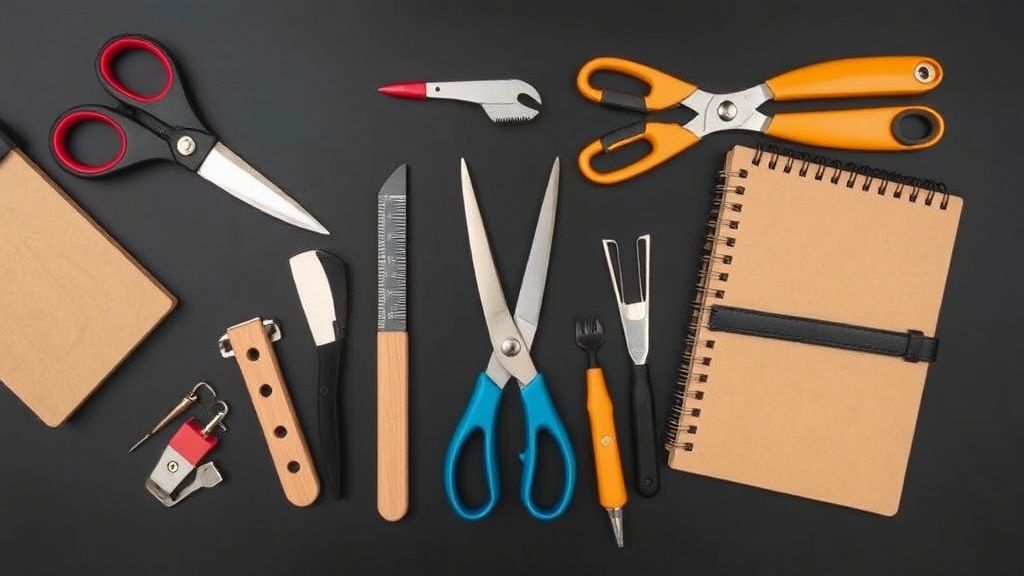
Why Left-Handed Scissors Matter
Left-handed scissors aren’t just a mirrored version of right-handed scissors—they’re designed with key ergonomic and functional differences. The blades are reversed so that the top blade is on the left, allowing left-handers to see the cutting line clearly. The handles are also shaped to fit the natural grip of the left hand, reducing strain.
But what if you’re right-handed? There are still scenarios where left-handed scissors can be useful:
- Shared Workspaces: If you frequently share scissors with a left-handed family member or coworker, learning to use left-handed scissors ensures smooth collaboration.
- Specialized Tasks: Some craft or fabric scissors perform better when used in the non-dominant hand for precision cuts.
- Ergonomics: If you have wrist or hand discomfort, alternating hands with properly designed scissors can reduce fatigue.
How Left-Handed Scissors Work Differently
The mechanics of left-handed scissors are optimized for left-handers, but understanding these differences helps right-handers adapt:
Blade Orientation
In right-handed scissors, the top blade is on the right, which lets right-handers see the cutting line without obstruction. In left-handed scissors, the top blade is on the left. If a right-hander uses left-handed scissors, the blades may push material away rather than cleanly shearing it, leading to ragged cuts.
Handle Design
Left-handed scissors have asymmetrical handles contoured for the left thumb and fingers. Right-handers may find the grip awkward at first, but adjusting finger placement can help.
Tension Adjustment
Some left-handed scissors have adjustable screw tension to control blade tightness. Right-handers should experiment with looser or tighter settings for smoother cutting.
How Right-Handers Can Adapt
1. Adjust Your Grip
Place your thumb in the smaller loop (typically meant for the left thumb) and your fingers in the larger loop. This may feel unnatural initially, but it aligns your hand with the blade’s motion.
2. Control the Angle
Tilt the scissors slightly outward (away from your body) to compensate for the reversed blade orientation. This helps the blades meet cleanly.
3. Use Your Non-Dominant Hand
If you’re doing detailed work (like trimming paper or fabric), try using the left-handed scissors in your left hand. This takes practice but can improve precision for intricate tasks.
4. Choose the Right Type for the Task
- Craft Scissors: Smaller, sharp blades work well for paper and lightweight materials.
- Fabric Scissors: Longer blades with micro-serrated edges prevent slippage.
- Kitchen Scissors: Often have additional features like bottle openers or nutcrackers—ensure the handles are comfortable for your grip.
Common Mistakes to Avoid
- Forcing the Cut: If the scissors feel stuck, realign the material instead of pushing harder, which can damage the blades.
- Using Dull Blades: Left-handed scissors require sharpness to function properly. Regularly maintain them with professional sharpening.
- Ignoring Ergonomics: If your hand cramps, take breaks or switch hands to avoid strain.
What to Look for When Buying Left-Handed Scissors
If you’re purchasing left-handed scissors for shared use or specific tasks, consider these features:
- True Left-Handed Design: Ensure the blades are reversed (top blade on the left) and handles are molded for left-handed use.
- Ambidextrous Options: Some scissors have symmetrical handles but reversed blades—these can be a compromise for mixed-use settings.
- Material-Specific Blades: Look for serrated edges for fabric, micro-tip blades for precision crafts, or stainless steel for kitchen use.
- Comfort Features: Cushioned grips or spring-action handles reduce fatigue for prolonged use.
Final Tips for Mastery
- Practice: Start with simple cuts (like paper or cardboard) before moving to complex materials.
- Maintenance: Keep blades clean and dry to prevent rust, and store them in a protective case.
- Experiment: Try different brands and styles to find the most comfortable fit for your needs.
Left-handed scissors can be just as effective for right-handers with the right technique. Whether for shared tools, specialized tasks, or ergonomic comfort, adapting to them expands your versatility in crafting, cooking, and everyday cutting tasks.