Left-Handed Ergonomics: A Beginner's Guide to Choosing the Right Tools

By Mike Southpaw · Left-Handed Tool Tester
Published June 22, 2026 · Last reviewed June 22, 2026
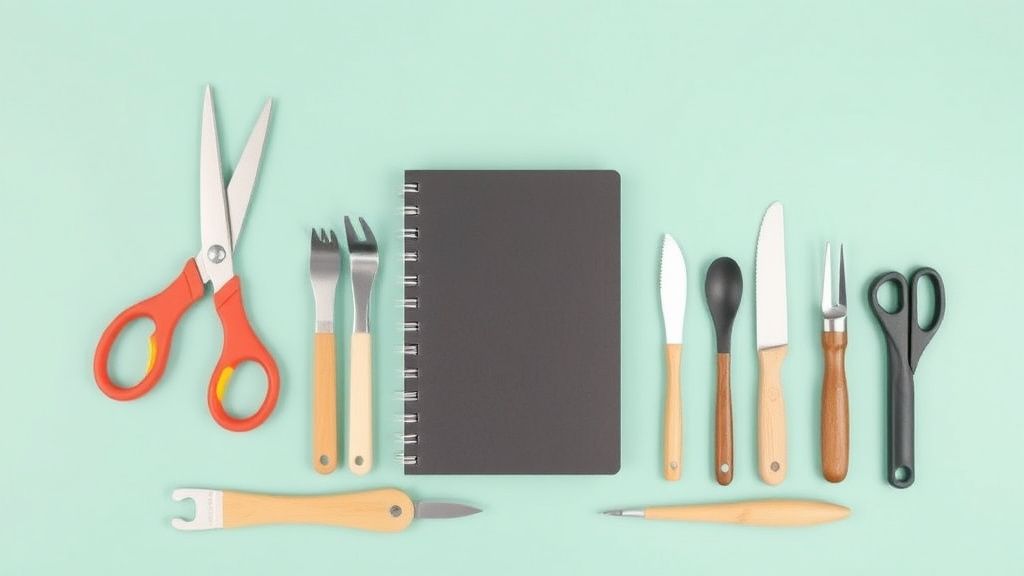
Left-Handed Ergonomics: A Beginner’s Guide to Choosing the Right Tools
For left-handed individuals, everyday tasks—from writing to cooking—can feel like navigating a world designed for right-handers. Using right-handed tools can lead to discomfort, inefficiency, and even long-term strain. Fortunately, specialized left-handed tools exist to improve ergonomics and performance. This guide covers the essentials for selecting the right left-handed tools, ensuring comfort and productivity.
Why Left-Handed Ergonomics Matter
Left-handers make up about 10% of the population, yet most tools and products are designed with right-handed users in mind. Using mismatched tools can cause:
- Discomfort and fatigue – Gripping awkwardly shaped handles or reaching across controls strains muscles.
- Reduced precision – Scissors, knives, and measuring tools rely on blade orientation, which is reversed for lefties.
- Safety risks – Power tools with right-handed safety switches can be hazardous when operated with the left hand.
Investing in left-handed tools minimizes these issues, making daily tasks smoother and safer.
Essential Left-Handed Tools and Features
1. Scissors & Shears
Right-handed scissors force left-handers to push the blades apart rather than cutting cleanly. Left-handed scissors reverse the blade orientation, ensuring smooth cuts.
What to look for:
- True left-handed blades (not just ambidextrous handles).
- Comfortable grips that reduce hand fatigue.
2. Kitchen Knives
Many chef’s knives have asymmetrical grinds, favoring right-handed users. Left-handed versions feature reversed bevels for better control.
What to look for:
- Single-bevel or symmetrically ground blades.
- Ergonomic handles that fit a left-handed grip.
3. Writing Instruments
Smudging ink and struggling with spiral-bound notebooks are common frustrations. Left-handed pens and notebooks address these issues.
What to look for:
- Fast-drying ink to prevent smudging.
- Notebooks with side or top binding.
4. Computer Peripherals
Mice and keyboards often assume right-handed dominance. Left-handed mice and ergonomic keyboards improve comfort.
What to look for:
- Contoured left-handed mice with thumb buttons on the right side.
- Symmetrical or adjustable keyboards to reduce wrist strain.
5. Measuring Tools
Tape measures and rulers with markings on one side can be awkward for lefties. Left-handed versions flip the scale for easier reading.
What to look for:
- Reversed or dual-sided markings.
- Non-slip bases for stability when marking.
6. Power Tools
Circular saws, drills, and other power tools often have safety switches and handles positioned for right-handers. Left-handed models adjust these placements.
What to look for:
- Reversed motor orientation for better visibility.
- Safety switches accessible from the left side.
What to Look for in Left-Handed Tools
When shopping for left-handed products, keep these key features in mind:
- True Left-Handed Design – Avoid “ambidextrous” tools that often compromise efficiency.
- Ergonomic Handles – Look for contoured grips that fit a left-handed hold.
- Reversed Blades or Controls – Ensure cutting edges, buttons, and switches are optimized for left-hand use.
- Durability – Quality materials prevent wear from the natural left-handed motion.
- User Reviews – Feedback from other left-handers can highlight real-world performance.
Adapting Right-Handed Tools (When Left-Handed Options Aren’t Available)
While specialized tools are ideal, some right-handed items can be adapted:
- Scissors – Some models can be re-tensioned for left-handed use.
- Knives – Symmetrical blades (e.g., Santoku knives) work well for both hands.
- Mice – Ambidextrous designs with programmable buttons can suffice.
However, for tasks requiring precision (like cutting or writing), dedicated left-handed tools are best.
Final Thoughts
Left-handed ergonomics shouldn’t be an afterthought. By choosing tools designed for left-handers, you’ll reduce strain, improve efficiency, and enjoy tasks more. Start with the essentials—scissors, knives, and writing tools—then expand to specialized items as needed. With the right gear, being left-handed becomes an advantage, not an inconvenience.
For more recommendations, explore dedicated left-handed retailers or niche ergonomic brands that prioritize southpaw-friendly designs.