Left-Handed Pinking Shears: A Detailed Review and Buying Guide

By Mike Southpaw · Left-Handed Tool Tester
Published June 22, 2026 · Last reviewed June 22, 2026
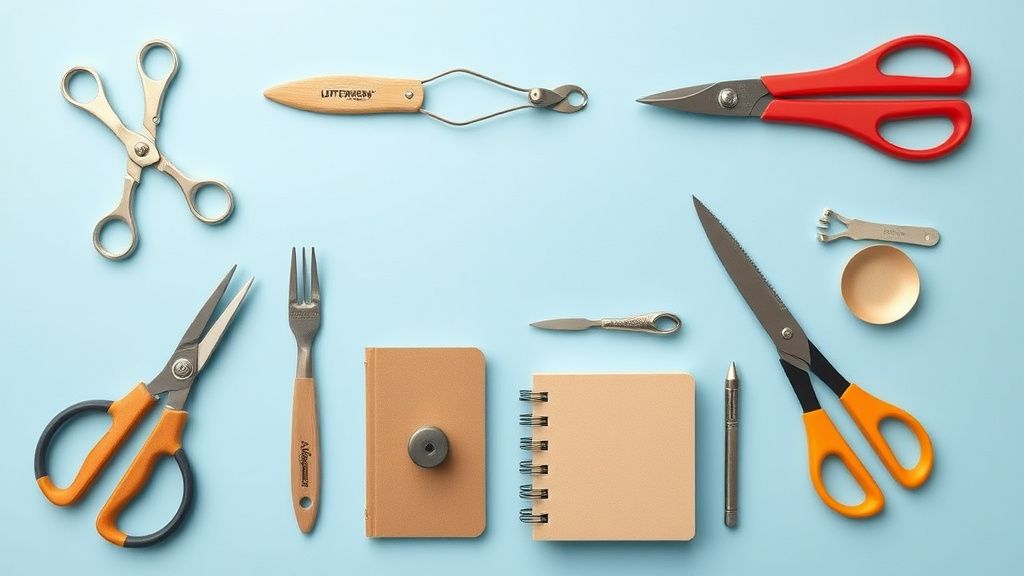
Left-Handed Pinking Shears: A Detailed Review and Buying Guide
What Are Pinking Shears and Why Do Left-Handers Need Special Ones?
Pinking shears are specialized scissors with serrated blades that cut fabric in a zigzag pattern, preventing fraying. While they may seem ambidextrous, most standard pinking shears are designed for right-handed users. The blade orientation and handle ergonomics favor right-handers, making them awkward—and sometimes unsafe—for left-handed sewists.
Left-handed pinking shears reverse the blade alignment so that the upper blade is on the left side, allowing left-handers to see the cutting line clearly without the bulk of the lower blade obstructing their view. Properly designed left-handed shears also feature handles contoured for a natural left-handed grip, reducing hand strain during prolonged use.
Key Features of Left-Handed Pinking Shears
Blade Design
- Reversed Blade Orientation: The top blade sits on the left, ensuring visibility and precision.
- Serrated Teeth: High-quality shears have sharp, evenly spaced teeth for clean cuts without snagging.
- Stainless Steel Construction: Durable, rust-resistant blades maintain sharpness longer.
Ergonomic Handles
- Asymmetrical Grip: Handles should be molded for left-handed comfort, reducing wrist strain.
- Cushioned or Non-Slip Grips: Essential for preventing slippage during detailed work.
- Spring-Assisted Mechanism (Optional): Some models include a spring to ease hand fatigue.
Size and Weight
- Standard (8-9 inches): Best for general fabric cutting.
- Mini (5-6 inches): Ideal for precision work or small hands.
- Heavy-Duty (10+ inches): Suitable for thick fabrics like denim or upholstery.
Types of Left-Handed Pinking Shears
General Fabric Shears
Designed for lightweight to medium fabrics (cotton, linen, silk). Look for fine serrations for delicate materials.
Heavy-Duty Shears
Built for thick fabrics like wool, denim, or multiple layers. Features wider teeth and reinforced blades.
Decorative Pinking Shears
Specialized for crafting, with unique zigzag patterns (scalloped, wave-shaped) for decorative edges.
Multi-Purpose Shears
Combine pinking and straight-cutting functions, useful for quilters or mixed-material projects.
Benefits of Using Left-Handed Pinking Shears
- Improved Accuracy: Proper blade alignment ensures cleaner cuts.
- Reduced Hand Fatigue: Ergonomic handles prevent strain during long sewing sessions.
- Safety: Correctly oriented blades minimize accidental fabric slips or uneven cuts.
- Longevity: High-quality left-handed shears last longer than forcing right-handed ones.
Common Challenges for Left-Handed Users
- Limited Availability: Fewer options compared to right-handed models.
- Mislabeled Products: Some “ambidextrous” shears still favor right-handers.
- Blade Dullness: Cheap models lose sharpness quickly, leading to frayed edges.
What to Look for When Buying Left-Handed Pinking Shears
1. True Left-Handed Design
Ensure the blades are reversed, not just symmetrical handles. Test by checking if the upper blade is on the left when held in your left hand.
2. Comfort and Fit
Handles should feel natural, with no awkward twisting. If possible, try before buying.
3. Blade Quality
Look for high-carbon stainless steel with sharp, burr-free teeth. Avoid plastic blades.
4. Purpose
Match the shear type to your projects—lightweight for apparel, heavy-duty for upholstery.
5. Maintenance
Opt for models that are easy to clean and sharpen. Some include blade covers for storage.
Care and Maintenance Tips
- Clean After Use: Wipe blades with a soft cloth to remove lint and residue.
- Oil the Pivot Point: Apply sewing machine oil periodically to keep the action smooth.
- Store Properly: Use a protective sleeve or hang them to avoid blade damage.
- Sharpen Professionally: Avoid DIY sharpening; serrated blades require specialized tools.
Final Thoughts
Investing in true left-handed pinking shears makes sewing safer, more comfortable, and more efficient. While they may be harder to find, the right pair will save time and frustration in the long run. Prioritize ergonomics, blade quality, and intended use when selecting your shears, and maintain them well to extend their lifespan.
Whether you’re a hobbyist or a professional, having the proper tools tailored to your handedness can transform your crafting experience. Happy cutting!