Left-Handed Scissors vs. Ambidextrous Scissors: Which is Best?

By Mike Southpaw · Left-Handed Tool Tester
Published June 22, 2026 · Last reviewed June 22, 2026
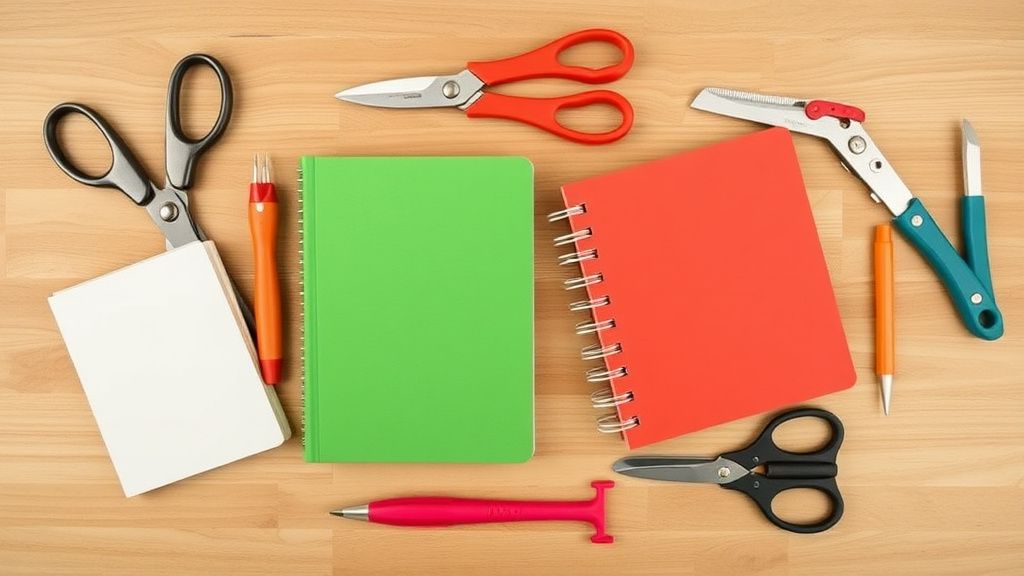
Left-Handed Scissors vs. Ambidextrous Scissors: Which is Best?
For left-handed individuals, finding the right scissors can be a frustrating experience. Standard scissors are designed for right-handed users, which can make cutting awkward, uncomfortable, or even painful for lefties. Fortunately, there are two main alternatives: left-handed scissors and ambidextrous scissors. But which is truly the best option? Let’s break down the differences, benefits, and drawbacks of each to help you make an informed decision.
Understanding the Problem with Right-Handed Scissors
Before diving into left-handed and ambidextrous options, it’s important to understand why standard scissors don’t work well for left-handed users. The issue lies in the blade orientation and handle design:
- Blade Orientation: In right-handed scissors, the top blade is on the right side, meaning left-handed users must push the blades apart instead of slicing smoothly. This can lead to jagged cuts or difficulty controlling the scissors.
- Handle Ergonomics: Right-handed scissors often have asymmetrical handles molded for right-hand comfort, which can feel awkward or strain the left hand.
These design flaws make dedicated left-handed or ambidextrous scissors essential for lefties who frequently use scissors for crafts, office work, or kitchen tasks.
Left-Handed Scissors: Designed for Comfort and Precision
Left-handed scissors are specifically engineered to mirror the design of right-handed scissors, with adjustments that cater to left-handed use:
Key Features:
- Reversed Blades: The top blade is on the left side, allowing for a natural cutting motion where the blades shear smoothly instead of bending the material.
- Ergonomic Handles: Handles are contoured to fit the left hand comfortably, reducing strain during prolonged use.
- Finger Holes: Positioned to align with a left-handed grip, preventing discomfort or pinching.
Best Uses:
- Precision Tasks: Ideal for detailed crafts, sewing, or paper cutting where control is crucial.
- Frequent Use: If you use scissors daily (e.g., in an office or classroom), left-handed models provide long-term comfort.
- Children: Left-handed kids benefit from learning with scissors that match their natural hand orientation.
Drawbacks:
- Limited Availability: Not all stores carry left-handed scissors, so you may need to shop online or at specialty retailers.
- No Right-Handed Sharing: These scissors won’t work well for right-handed users, so they’re not ideal for shared spaces.
Ambidextrous Scissors: A Compromise for Shared Use
Ambidextrous scissors are designed to work for both left- and right-handed users, often featuring symmetrical blades and handles.
Key Features:
- Symmetrical Blades: The blades are straight or designed to cut equally well from either side.
- Neutral Handles: Finger holes are evenly shaped, with no left or right bias.
- Dual-Thumb Rests: Some models include rests on both sides to accommodate either hand.
Best Uses:
- Shared Environments: Good for households, classrooms, or workplaces where scissors are used by multiple people.
- Light-Duty Tasks: Suitable for general-purpose cutting like opening packages or trimming paper.
- Travel or On-the-Go: A practical choice if you need one pair of scissors for occasional use.
Drawbacks:
- Less Precision: The symmetrical design can make detailed cutting harder since the blades don’t optimize shear for either hand.
- Potential Discomfort: Without ergonomic shaping, prolonged use may cause hand fatigue.
Which is Best for You?
The answer depends on your needs:
-
Choose Left-Handed Scissors If:
- You use scissors frequently for precise tasks (e.g., crafting, sewing).
- Comfort and control are top priorities.
- You don’t need to share scissors with right-handed users.
-
Choose Ambidextrous Scissors If:
- You need a pair for shared or multi-user environments.
- You only use scissors occasionally for basic tasks.
- You prefer a one-size-fits-all solution for convenience.
What to Look for When Buying Scissors
Whether you opt for left-handed or ambidextrous scissors, keep these features in mind:
- Blade Quality: Look for stainless steel blades for durability and sharpness.
- Handle Comfort: Soft-grip or ergonomic handles reduce strain during extended use.
- Size and Weight: Smaller scissors (5–6 inches) are better for detail work, while larger ones (8+ inches) suit heavy-duty cutting.
- Spring-Assisted Options: Some models include a spring to reduce hand fatigue.
- Safety Features: For kids, rounded tips and lightweight designs are essential.
Final Thoughts
While ambidextrous scissors offer flexibility, left-handed scissors provide the best performance and comfort for left-handed users. If you’re serious about crafting, office work, or any task requiring precision, investing in a dedicated left-handed pair is worthwhile. For occasional or shared use, ambidextrous scissors are a practical compromise. Either way, choosing scissors designed with left-handers in mind will make cutting tasks easier and more enjoyable.