Left-Handed Spoons and Forks: What to Consider Before You Buy

By Mike Southpaw · Left-Handed Tool Tester
Published June 22, 2026 · Last reviewed June 22, 2026
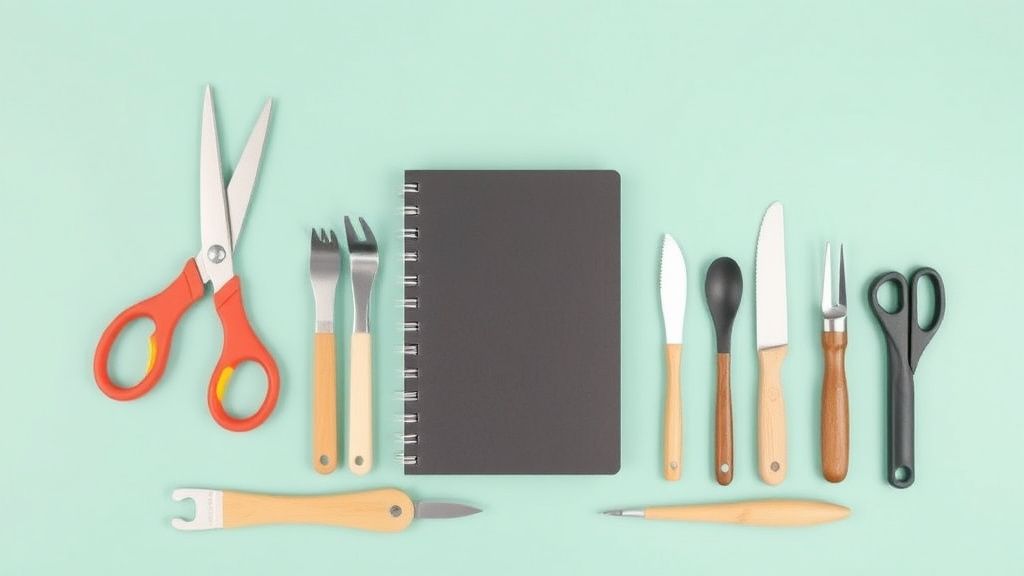
Left-Handed Spoons and Forks: What to Consider Before You Buy
For left-handed individuals, everyday utensils like spoons and forks can be surprisingly frustrating. While many assume these tools are ambidextrous, subtle design choices—such as curvature, balance, and handle shape—can make a big difference in comfort and functionality. Left-handed spoons and forks are specially designed to address these nuances, ensuring a smoother dining experience. Here’s what to consider before purchasing.
Why Left-Handed Utensils Matter
Standard utensils are often optimized for right-handed use. For example:
- Curved spoons and forks may angle food awkwardly when held in the left hand.
- Weight distribution can feel off-balance, making cutting or scooping less efficient.
- Handle ergonomics might not accommodate a left-handed grip, leading to strain over time.
Left-handed utensils reverse these design elements, ensuring natural movement and reducing unnecessary wrist twisting.
Types of Left-Handed Utensils
1. Left-Handed Spoons
Left-handed spoons often feature:
- Asymmetrical bowls: The scoop is slightly deeper or angled to match the natural motion of a left-handed scoop.
- Offset handles: These curve to the left, allowing for a more relaxed wrist position when eating soup or cereal.
- Textured grips: Some models include non-slip ridges to prevent rolling when placed on a table.
Best for: Soups, cereals, and desserts where scooping efficiency matters.
2. Left-Handed Forks
Left-handed forks may have:
- Tines angled for left-handed piercing: The prongs are slightly curved or reinforced to make spearing food easier.
- Reinforced necks: Prevents bending when cutting with the fork in the left hand.
- Wider handles: Better leverage for left-handed users when cutting tough foods.
Best for: Meats, salads, and dishes requiring precise piercing or cutting.
3. Specialty Utensils
Some left-handed utensils go beyond basics:
- Serrated-edge forks: Assist in cutting without requiring a knife.
- Deep-bowled spoons: Ideal for dishes like risotto or ice cream.
- Hybrid designs: Combine spoon and fork functions for travel or casual dining.
Materials and Durability
Left-handed utensils come in various materials, each with pros and cons:
- Stainless steel: Durable, dishwasher-safe, and resistant to rust, but heavier.
- Titanium: Lightweight and ultra-durable, but often pricier.
- Plastic or silicone: Light and affordable, but less sturdy for cutting.
- Wood or bamboo: Eco-friendly and warm to the touch, but requires hand-washing.
Consideration: If you frequently use utensils for cutting (e.g., with a fork), opt for reinforced stainless steel or titanium.
Ergonomics and Comfort
A well-designed left-handed utensil should:
- Fit naturally in the hand: Look for handles with a slight curve or contoured grip.
- Balance weight evenly: Avoid tools that feel top-heavy when held in the left hand.
- Minimize strain: Rounded edges and smooth transitions reduce pressure on fingers.
Test tip: Hold the utensil as you would while eating—does it feel intuitive, or do you need to adjust your grip?
Aesthetic and Practical Design
Left-handed utensils aren’t just functional—they can also match your style:
- Modern vs. traditional: Some have sleek, minimalist lines, while others mimic classic designs.
- Color-coding: Handles in distinct colors (e.g., blue or green) help lefties identify their tools in shared kitchens.
- Stackability: Ensure they fit in your drawer or utensil holder without taking up extra space.
What to Look for When Buying
Before purchasing left-handed spoons and forks, keep these tips in mind:
- Check the angle: Hold the utensil to see if the bowl or tines align with your natural motion.
- Test the grip: Ensure the handle feels comfortable without forcing your wrist into an awkward position.
- Verify material quality: Look for rust-resistant finishes and sturdy construction.
- Consider maintenance: Dishwasher-safe materials save time, but some finishes (e.g., wood) require extra care.
- Read reviews: Feedback from other left-handed users can highlight real-world performance.
Final Thoughts
Investing in left-handed spoons and forks can transform mealtime from a chore into a seamless experience. By prioritizing ergonomics, material quality, and design, you’ll find utensils that feel like natural extensions of your hand. Whether you’re scooping, piercing, or cutting, the right tools make all the difference—no more adapting to a right-handed world.
(Word count: ~950)