Making Cooking Easier: Essential Left-Handed Kitchen Appliances

By Mike Southpaw · Left-Handed Tool Tester
Published June 22, 2026 · Last reviewed June 22, 2026
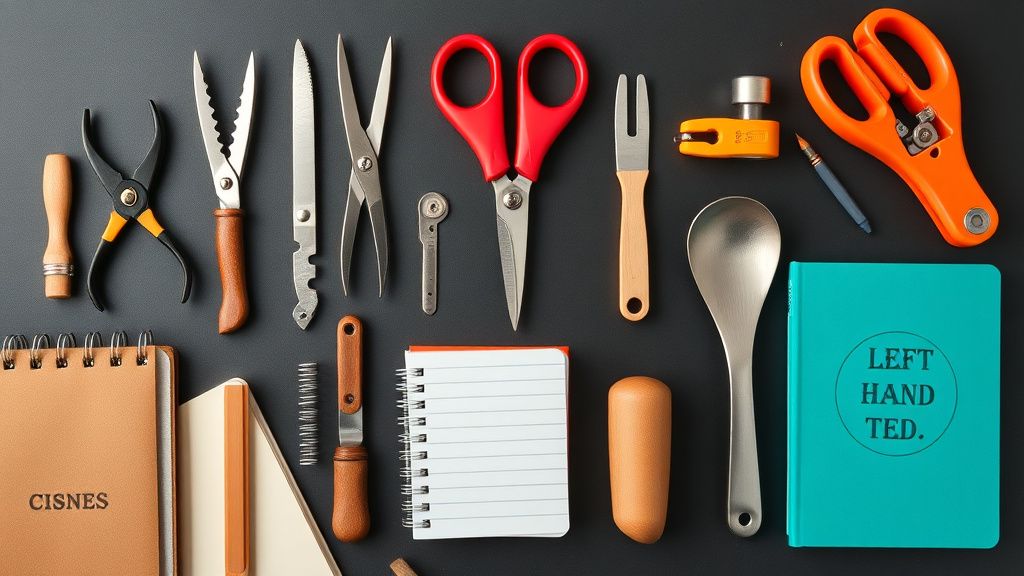
Why Left-Handed Kitchen Tools Matter
For left-handed individuals, navigating a right-handed world can be frustrating, especially in the kitchen. Many standard kitchen tools are designed with right-handed users in mind, from the way handles are shaped to the placement of blades and controls. This can lead to inefficiency, discomfort, and even accidents. Fortunately, specialized left-handed kitchen appliances and utensils are becoming more widely available, designed to make cooking and food prep easier, safer, and more enjoyable for lefties.
Essential Left-Handed Kitchen Appliances
Left-Handed Knives
Knives are one of the most important tools in the kitchen, and using a right-handed knife can feel awkward or even dangerous for left-handed individuals. Left-handed knives feature blades that are sharpened differently, ensuring clean cuts and better control. Look for knives with ergonomic handles designed to fit comfortably in a left-handed grip.
Left-Handed Can Openers
Standard can openers are notoriously difficult for left-handed users because the twisting mechanism is optimized for right-handed operation. Left-handed can openers reverse the blade orientation and handle design, making it easier to grip and turn smoothly. This small change can save time and frustration when opening cans.
Left-Handed Scissors
Kitchen scissors are a multitasking tool for trimming herbs, cutting packaging, and more. Left-handed scissors have reversed blades, allowing for cleaner cuts and reducing hand strain. They’re particularly useful for precision tasks like deveining shrimp or snipping herbs.
Left-Handed Measuring Cups and Spoons
Many measuring cups and spoons feature markings on only one side, which can be inconvenient for left-handed users. Left-handed versions have markings on both sides or are designed with the numbers oriented for easier reading when held in the left hand.
Left-Handed Peelers and Graters
Peelers and graters often have blades or holes designed for right-handed use, which can make them less effective for left-handed individuals. Left-handed versions reverse the blade direction or adjust the handle angle for better control and efficiency.
Specialized Utensils for Left-Handed Cooks
Left-Handed Spatulas and Tongs
Cooking utensils like spatulas and tongs often have angled heads designed for right-handed use. Left-handed versions reverse the angle, making it easier to flip pancakes, toss salads, or grip food securely.
Left-Handed Whisks
Whisks are essential for mixing batters, sauces, and dressings. Left-handed whisks often feature handles with a more comfortable grip for left-handed users and may have a slightly altered wire configuration for smoother mixing.
Left-Handed Ladles
Ladles with angled heads are another common source of frustration for left-handed cooks. Left-handed ladles reverse the angle, making it easier to scoop soups, stews, and sauces without spilling.
Appliances Designed for Left-Handed Users
Left-Handed Coffee Makers
Some coffee makers have controls and water reservoirs positioned for right-handed users, which can be awkward for left-handed individuals. Left-handed coffee makers reverse the layout or offer ambidextrous designs for easier access.
Left-Handed Blenders
Blenders with controls on the right side can be inconvenient for left-handed users. Look for models with front-facing controls or buttons that are easy to reach regardless of which hand you use.
Left-Handed Toasters
Toasters with controls on the right side can make it difficult for left-handed users to adjust settings or remove toast safely. Left-handed toasters often feature controls on the left or center, along with wider slots for easier bread placement.
What to Look for When Buying Left-Handed Kitchen Tools
When shopping for left-handed kitchen appliances and utensils, keep the following tips in mind:
- Ergonomics: Look for tools with handles designed to fit comfortably in your left hand. Non-slip grips and contoured shapes can reduce hand fatigue.
- Blade Orientation: For knives, peelers, and scissors, ensure the blade is designed for left-handed use. This ensures smoother cuts and better control.
- Control Placement: For appliances like coffee makers and blenders, check that controls are easy to reach and operate with your left hand.
- Ambidextrous Options: Some tools and appliances are designed to work equally well for both left- and right-handed users. These can be a versatile choice if specialized left-handed options aren’t available.
- Durability: Choose tools made from high-quality materials that can withstand frequent use. Stainless steel, silicone, and sturdy plastics are good options.
- Ease of Cleaning: Look for tools that are easy to disassemble and clean, especially for items like whisks and peelers.
Making Your Kitchen Left-Handed Friendly
Investing in left-handed kitchen tools can transform your cooking experience, making it more efficient and enjoyable. Start by identifying the tools you use most frequently and prioritize replacing those first. Over time, you can build a fully left-handed-friendly kitchen that caters to your needs.
Remember, cooking should be a fun and stress-free activity, and having the right tools can make all the difference. Whether you’re chopping vegetables, flipping pancakes, or brewing coffee, left-handed kitchen appliances and utensils are designed to help you work smarter, not harder.