Revolutionizing Your Kitchen: Innovative Left-Handed Tools Reviewed

By Mike Southpaw · Left-Handed Tool Tester
Published June 22, 2026 · Last reviewed June 22, 2026
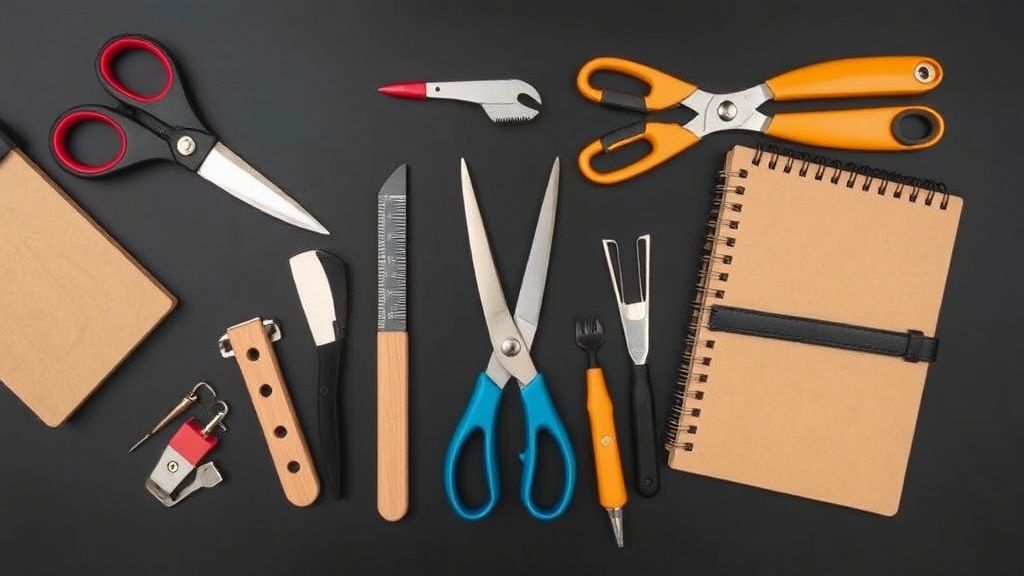
Why Left-Handed Kitchen Tools Matter
For left-handed individuals, everyday kitchen tasks—like slicing bread, opening cans, or peeling vegetables—can be frustrating when using right-handed tools. Standard kitchen tools are designed with right-handed ergonomics in mind, forcing lefties to adapt awkwardly or risk inefficiency and discomfort. Left-handed kitchen tools correct this imbalance by offering reversed blade orientations, ergonomic grips, and intuitive designs tailored to natural left-handed motion.
Investing in a few key left-handed tools can transform meal prep from a chore into a seamless experience. Below, we review the most impactful left-handed kitchen tools and how they improve functionality.
Essential Left-Handed Kitchen Tools
1. Left-Handed Scissors
Standard scissors place the upper blade on the right side, which obscures the cutting line for left-handed users. Left-handed scissors reverse the blade orientation, ensuring clear visibility and smooth cutting.
Key Features:
- Reversed blade alignment for better visibility.
- Ergonomic handles contoured for left-hand grip.
- Stainless steel blades for durability.
Best For: Slicing herbs, opening packages, and precision tasks like trimming pastry dough.
2. Left-Handed Can Openers
Traditional can openers require a clockwise turning motion, which feels unnatural for left-handed users. Left-handed models reverse the gear mechanism, allowing for comfortable counterclockwise operation.
Key Features:
- Reverse-gear mechanism for intuitive use.
- Non-slip handles for better control.
- Magnetic lid lifter to prevent spills.
Best For: Effortlessly opening cans without straining the wrist.
3. Left-Handed Knives
Many knives have asymmetrical grinds, favoring right-handed cutting angles. Left-handed chef’s knives and paring knives feature reversed bevels for cleaner, more controlled slicing.
Key Features:
- Single-bevel or symmetrical blade edges.
- Textured handles for secure grip.
- Balanced weight distribution for precision.
Best For: Chopping, dicing, and filleting with natural left-handed motion.
4. Left-Handed Measuring Cups and Spoons
Standard measuring tools display markings on one side, often facing away from left-handed users. Left-handed versions feature reversed or dual-sided markings for easy reading.
Key Features:
- Dual-sided measurement markings.
- Angled rims for easy pouring.
- Stackable design for compact storage.
Best For: Accurate measuring without awkward hand adjustments.
5. Left-Handed Peelers and Graters
Standard peelers and box graters are designed for right-handed downward motion. Left-handed versions adjust the blade angle for comfortable use.
Key Features:
- Reversed blade orientation for efficient peeling.
- Non-slip handles for safety.
- Multi-angle graters for versatile shredding.
Best For: Peeling potatoes, carrots, or zesting citrus with ease.
Specialty Left-Handed Kitchen Tools
Left-Handed Bread Knives
Serrated bread knives often have an asymmetrical edge, making clean cuts difficult for left-handed users. Left-handed versions ensure even slicing without tearing.
Left-Handed Corkscrews
Traditional corkscrews twist awkwardly for left-handed users. Left-handed models reverse the spiral direction for smoother wine opening.
Left-Handed Spatulas and Ladles
Some utensils, like offset spatulas, are angled for right-handed use. Left-handed versions flip the angle for better control when flipping pancakes or serving soups.
What to Look for in Left-Handed Kitchen Tools
When shopping for left-handed kitchen tools, consider the following:
- Blade or Mechanism Orientation – Ensure cutting tools (scissors, knives, peelers) have reversed blades or symmetrical edges.
- Ergonomic Grips – Look for contoured handles that fit comfortably in a left-handed grip.
- Ambidextrous Alternatives – Some tools (like certain measuring cups) work well for both hands but verify readability.
- Material Quality – Stainless steel blades and durable plastics ensure longevity.
- User Reviews – Check feedback from other left-handed users to confirm real-world usability.
Final Thoughts
Upgrading to left-handed kitchen tools eliminates daily frustrations and enhances efficiency. While not every utensil needs replacing, prioritizing high-impact items like scissors, can openers, and knives makes a noticeable difference. With the right tools, left-handed cooks can work comfortably and confidently—no more adapting to a right-handed world.
If you’re left-handed, investing in these specialized tools isn’t just about convenience—it’s about reclaiming the joy of cooking.