Sculpting and Modeling: Must-Have Left-Handed Crafting Supplies

By Mike Southpaw · Left-Handed Tool Tester
Published June 22, 2026 · Last reviewed June 22, 2026
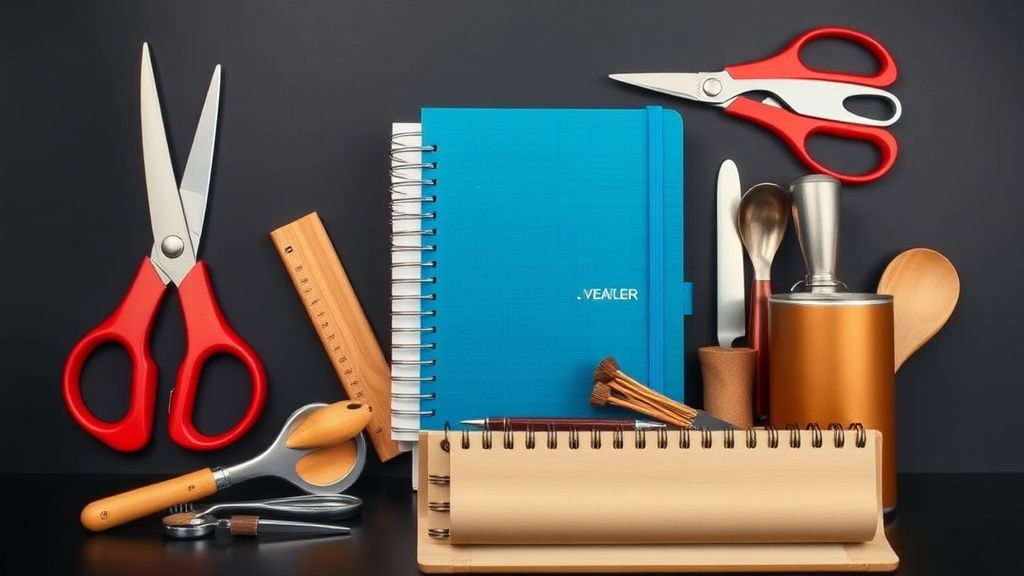
Sculpting and Modeling: Must-Have Left-Handed Crafting Supplies
Left-handed artists and crafters often face unique challenges when working with traditional sculpting and modeling tools. From ergonomic discomfort to imprecise cuts, using right-handed tools can make the creative process frustrating. Fortunately, specialized left-handed crafting supplies can significantly improve comfort, control, and efficiency. Whether you’re a clay sculptor, polymer clay artist, or 3D modeler, here’s a guide to essential left-handed tools and what makes them indispensable.
Left-Handed Modeling Tools for Clay and Polymer
1. Left-Handed Loop Tools
Loop tools are essential for carving, hollowing, and refining clay sculptures. Standard loop tools are angled for right-handed users, making them awkward for lefties. Left-handed versions feature reversed blade angles, allowing smoother, more controlled cuts.
What to look for:
- Blades angled for left-handed use
- Comfortable, non-slip handles
- Multiple interchangeable loop sizes
2. Left-Handed Ribbon Tools
Ribbon tools are used for trimming and detailing. Right-handed versions force left-handed users to push rather than pull, leading to uneven cuts. Left-handed ribbon tools have reversed edges for better precision.
What to look for:
- Stainless steel blades with left-handed bevels
- Ergonomic wooden or rubberized handles
3. Left-Handed Sculpting Knives
Sculpting knives with asymmetrical blades can be difficult for left-handed users to maneuver. Left-handed versions ensure the blade’s bevel aligns correctly for clean cuts.
What to look for:
- Double-beveled or left-handed single-bevel blades
- Flexible vs. rigid blades depending on material
Left-Handed Cutting and Shaping Tools
4. Left-Handed Craft Scissors
Standard scissors force left-handed users to push the blades apart, resulting in ragged cuts. True left-handed scissors have reversed blades for clean, effortless cutting.
What to look for:
- Blades ground for left-handed use (not just ambidextrous handles)
- Comfortable finger grips
5. Left-Handed Wire Cutters
Wire cutters with angled blades can misalign when used left-handed, causing uneven cuts. Left-handed versions ensure proper blade contact.
What to look for:
- Reversed blade orientation
- Spring-loaded handles for easier use
Left-Handed Measuring and Smoothing Tools
6. Left-Handed Calipers
Calipers with right-handed locking mechanisms can be cumbersome. Left-handed versions position the adjustment screw for easier access.
What to look for:
- Reversed screw placement
- Smooth-gliding mechanism
7. Left-Handed Modeling Stamps and Texture Tools
Many texture tools are designed with right-handed pressure application in mind. Left-handed versions ensure even impressions.
What to look for:
- Symmetrical or reversible designs
- Textured surfaces that don’t favor one hand
Left-Handed Work Surface and Support Tools
8. Reversible Turntables
A sturdy turntable helps sculptors rotate their work without straining. Look for models with smooth, ambidextrous rotation.
What to look for:
- 360-degree rotation without resistance
- Non-slip base
9. Left-Handed Armature Tools
Armature wire is universal, but pliers and bending tools optimized for left-handed use make shaping easier.
What to look for:
- Reverse-action pliers (if applicable)
- Comfortable grip for prolonged use
What to Look for When Buying Left-Handed Sculpting Tools
When shopping for left-handed sculpting and modeling supplies, keep these factors in mind:
- True Left-Handed Design: Avoid “ambidextrous” tools that are often just slightly modified right-handed tools. Look for explicitly left-handed versions.
- Ergonomics: Handles should fit comfortably in a left-handed grip, reducing strain.
- Material Compatibility: Ensure tools are suited for your medium (e.g., polymer clay vs. ceramic).
- Blade/Edge Orientation: Cutting tools must have correctly beveled edges for left-handed use.
Final Thoughts
Investing in proper left-handed sculpting and modeling tools can transform your crafting experience. From loop tools to scissors, the right equipment ensures precision, comfort, and efficiency. Whether you’re a beginner or a professional, these specialized tools help level the playing field—so you can focus on creating, not compensating.