Student Success: The Best Left-Handed Scissors for School

By Mike Southpaw · Left-Handed Tool Tester
Published June 22, 2026 · Last reviewed June 22, 2026
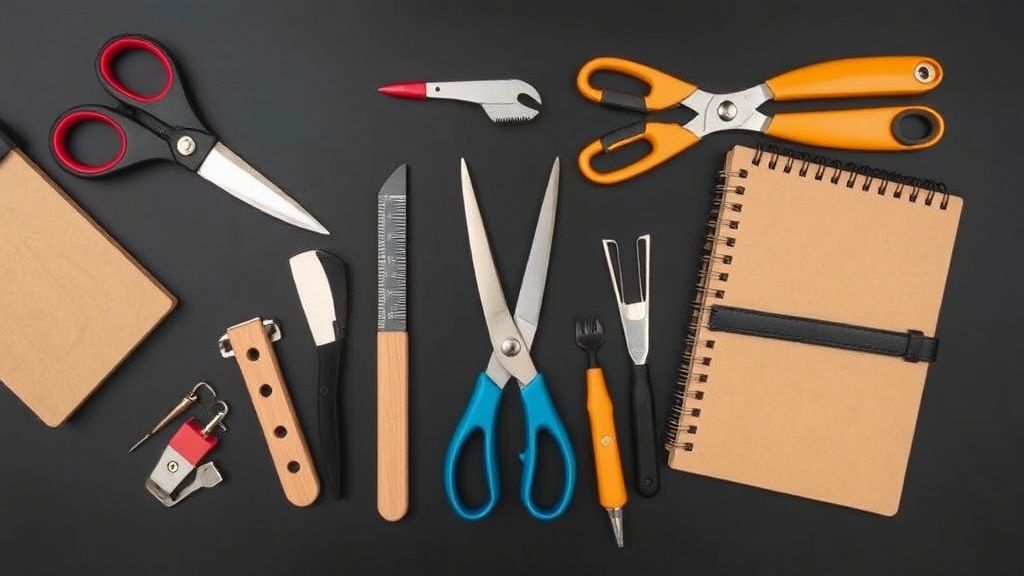
Why Left-Handed Scissors Matter for Students
For left-handed students, using right-handed scissors can be frustrating and even detrimental to their work. Standard scissors are designed with the blade orientation and handle ergonomics optimized for right-handed users, forcing left-handers to push the blades apart instead of cutting naturally. This leads to uneven cuts, hand fatigue, and difficulty following precise lines—especially important in art, crafts, and detailed school projects. Left-handed scissors reverse the blade orientation, allowing smoother, more controlled cuts.
Types of Left-Handed Scissors for School Use
Not all left-handed scissors are the same. The right pair depends on the student’s age, hand size, and tasks. Here are the most common types:
1. Blunt-Tip Safety Scissors (Ages 4-8)
Ideal for younger students, these have rounded tips to prevent accidents while learning to cut. Look for:
- Small, lightweight handles for little hands.
- Plastic or soft-grip coatings for comfort.
- Stainless steel blades that stay sharp.
2. General-Purpose Scissors (Ages 8-12)
For everyday classroom tasks like cutting paper, cardboard, or thin craft materials:
- Mid-sized blades (5-6 inches) for control.
- Ergonomic handles with finger rests.
- Durable construction to withstand frequent use.
3. Precision Craft Scissors (Ages 12+)
Older students working on detailed projects (e.g., model-making, scrapbooking) benefit from:
- Sharp, fine-point blades for intricate cuts.
- Spring-action or micro-tip designs for delicate materials.
- Non-slip handles for better grip during prolonged use.
4. Ambi-Scissors (For Shared Environments)
Some classrooms use ambidextrous scissors, but these often compromise on comfort. They may work in a pinch but lack the true ergonomic benefits of dedicated left-handed models.
Key Features to Prioritize
When selecting left-handed scissors, consider these factors:
- Blade Orientation: True left-handed scissors have blades reversed so the left hand’s natural motion closes the blades cleanly.
- Comfortable Handles: Look for contoured or asymmetrical grips that fit a left-handed hold. Rubberized coatings reduce strain.
- Material: Stainless steel blades resist rust and stay sharp longer. Avoid plastic blades, which bend or dull quickly.
- Spring-Assisted Mechanism: Helps reduce hand fatigue for students with weaker grip strength.
Common Challenges and Solutions
Problem: Left-Handed Students “Adapting” to Right-Handed Scissors
Many left-handers learn to use right-handed scissors by twisting their wrists, which can lead to poor technique and discomfort. A proper left-handed pair eliminates this awkward positioning.
Problem: Scissors That Don’t Stay Sharp
Cheaper models may dull quickly, especially when cutting thicker materials. Investing in high-quality stainless steel blades ensures longevity.
Problem: Limited Availability in Schools
Teachers may not stock left-handed tools. Parents can label their child’s scissors clearly to avoid mix-ups in shared classrooms.
What to Look for When Buying
- True Left-Handed Design: Verify the blades are reversed—not just symmetrical handles.
- Size Appropriateness: Match the scissors to the student’s hand size and age.
- Durability: Reinforced metal screws and sturdy construction prevent wobbling.
- Task-Specific Features: Choose blunt tips for safety or fine tips for precision work.
Final Thoughts
Left-handed scissors are a small but critical tool for student success. The right pair reduces frustration, improves cutting accuracy, and supports proper hand positioning. Whether for a kindergartener’s first art project or a high schooler’s advanced craft work, investing in quality left-handed scissors ensures a smoother, more confident experience in the classroom.
Pro Tip: Pair scissors with other left-handed tools (like notebooks and rulers) to create a fully optimized workspace for left-handed learners.