Top 7 Left-Handed Utensils for a More Comfortable Meal

By Mike Southpaw · Left-Handed Tool Tester
Published June 22, 2026 · Last reviewed June 22, 2026
Top 7 Left-Handed Utensils for a More Comfortable Meal
Left-handed individuals often struggle with right-handed utensils, leading to awkward grips, spills, and discomfort during meals. Fortunately, specialized left-handed utensils are designed to improve ergonomics and functionality. Here are seven essential left-handed utensils that make dining easier and more enjoyable.
1. Left-Handed Forks and Spoons
Standard forks and spoons are often angled for right-handed users, making them awkward to hold for lefties. Left-handed versions feature:
- Reversed tine curvature – The tines bend slightly to the left, making it easier to scoop food.
- Ergonomic handles – Contoured grips reduce strain on the left hand.
- Balanced weight distribution – Prevents tipping when cutting or scooping.
Best for: Everyday meals where comfort and ease of use matter.
2. Left-Handed Knives
Standard knives have a beveled edge on one side, optimized for right-handed cutting. Left-handed knives solve this with:
- Left-sided blade sharpening – Ensures cleaner cuts when slicing with the left hand.
- Ambidextrous or reversed serrations – Prevents food from tearing unevenly.
- Wider handles – Accommodates a left-handed grip for better control.
Best for: Cutting meats, vegetables, and bread without frustration.
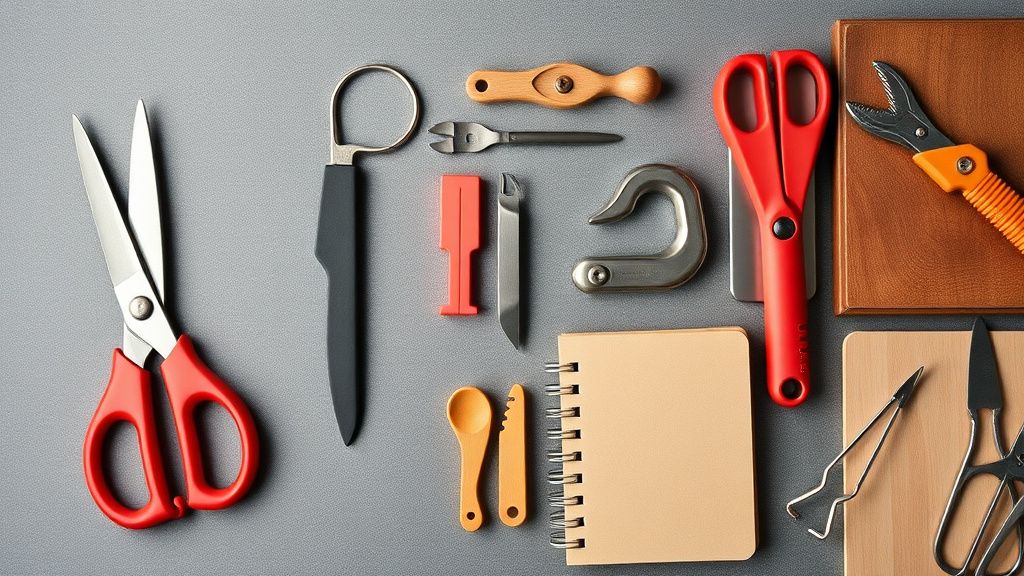
3. Left-Handed Scissors
Kitchen scissors are a common pain point for left-handed users. Left-handed versions include:
- Reversed blade orientation – Allows lefties to see the cutting line clearly.
- Finger grips molded for left hands – Reduces hand fatigue.
- True left-handed tension – Ensures smooth cutting without jamming.
Best for: Snipping herbs, opening packages, and food prep tasks.
4. Left-Handed Can Openers
Traditional can openers require clockwise turning, which is counterintuitive for left-handed users. Left-handed can openers feature:
- Reverse turning mechanism – Works naturally with a left-handed grip.
- Ergonomic handles – Designed to fit comfortably in the left hand.
- Smooth operation – Prevents slippage and jagged edges.
Best for: Effortlessly opening cans without straining the wrist.
5. Left-Handed Measuring Cups and Spoons
Standard measuring tools have markings on one side, forcing left-handed users to twist awkwardly. Left-handed versions offer:
- Dual-sided or reversed markings – Easy-to-read measurements from the left side.
- Angled handles – Designed for pouring with the left hand.
- Non-slip bases – Stays steady when filling with ingredients.
Best for: Baking and cooking where precise measurements matter.
6. Left-Handed Peeler
Peeling fruits and vegetables can be cumbersome with a right-handed peeler. Left-handed peelers include:
- Reversed blade angle – Cuts smoothly when pulled toward the left hand.
- Comfortable grip – Reduces strain during repetitive motions.
- Sturdy construction – Prevents wobbling or uneven peeling.
Best for: Prepping vegetables and fruits efficiently.
7. Left-Handed Spatulas and Serving Utensils
Standard spatulas have angled edges that don’t work well for left-handed flipping. Left-handed versions provide:
- Reversed blade angle – Makes flipping pancakes or burgers easier.
- Wider, flexible heads – Accommodates left-handed scooping motions.
- Heat-resistant handles – Ensures a secure grip when cooking.
Best for: Flipping, stirring, and serving with ease.
What to Look for in Left-Handed Utensils
When shopping for left-handed utensils, consider the following:
- Ergonomics – Look for contoured handles designed specifically for left-handed grips.
- Blade or edge orientation – Ensure cutting tools are sharpened or angled for left-handed use.
- Material quality – Stainless steel, silicone, or durable plastics ensure longevity.
- Ease of cleaning – Dishwasher-safe options save time.
- Non-slip features – Textured handles or weighted bases improve stability.
Investing in left-handed utensils can transform mealtime from frustrating to effortless. Whether you’re cooking, baking, or simply enjoying a meal, these tools ensure comfort and efficiency for left-handed users.