Understanding Blade Orientation: A Guide to Left-Handed Scissors

By Mike Southpaw · Left-Handed Tool Tester
Published June 22, 2026 · Last reviewed June 22, 2026
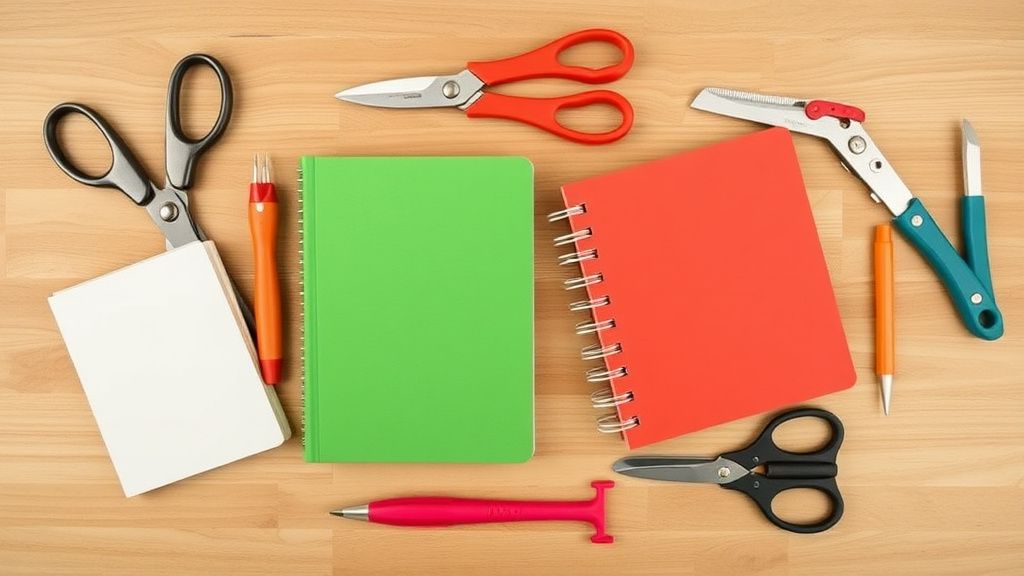
Why Left-Handed Scissors Matter
Most right-handed people don’t think twice about using scissors—they just work. But for left-handers, standard scissors can feel awkward, inefficient, or even painful. The reason lies in blade orientation. Traditional scissors are designed with the top blade on the right side, which forces left-handed users to push the blades apart instead of slicing smoothly. This leads to uneven cuts, hand strain, and frustration. Left-handed scissors reverse the blade orientation, placing the top blade on the left, allowing for natural, precise cutting.
How Blade Orientation Affects Cutting
Scissors rely on a shearing motion where two blades slide past each other. When a right-handed person uses standard scissors:
- The top blade (right side) moves downward, applying pressure that keeps the material steady.
- The lower blade (left side) moves upward, cleanly slicing through the material.
For left-handers, this dynamic is reversed:
- The top blade (right side) pushes the material away instead of holding it.
- The lower blade (left side) can bend or crumple thin materials like paper or fabric.
Left-handed scissors correct this by flipping the blades, ensuring the top blade applies proper pressure while the lower blade makes a clean cut.
Types of Left-Handed Scissors
Not all left-handed scissors are the same. Different tasks require specialized designs:
1. Everyday/Office Scissors
- Ideal for paper, tape, and light materials.
- Often have rounded tips for safety.
- Ergonomic handles reduce hand fatigue during frequent use.
2. Fabric & Craft Scissors
- Longer blades for smooth, straight cuts.
- Micro-serrated edges prevent fabric from slipping.
- Some models include adjustable tension screws for precision.
3. Kitchen Shears
- Heavy-duty blades for cutting herbs, poultry, or packaging.
- Often include features like bottle openers or nut crackers.
- Dishwasher-safe designs for easy cleaning.
4. Hair Cutting & Barber Scissors
- Ultra-sharp, finely honed blades for clean snips.
- Offset handles for better control during detailed work.
- Often used by professional stylists but available for home use.
Common Issues When Using Right-Handed Scissors
Left-handers who try to use standard scissors may experience:
- Blade Separation: The blades don’t close properly, causing jagged cuts.
- Material Jamming: Paper or fabric gets caught between the blades.
- Hand Fatigue: Squeezing harder to compensate for poor cutting leads to discomfort.
Some left-handers adapt by twisting their wrists, but this can cause long-term strain. True left-handed scissors eliminate these issues entirely.
What to Look for When Buying Left-Handed Scissors
If you’re shopping for left-handed scissors, keep these features in mind:
- Blade Reversal: Confirm the top blade is on the left side when held in your left hand.
- Handle Comfort: Look for ambidextrous or contoured grips designed for left-handers.
- Build Quality: Stainless steel blades stay sharper longer than cheaper alternatives.
- Purpose-Specific Design: Choose scissors tailored to your needs (e.g., fabric shears for sewing).
- Tension Adjustment: A screw or rivet that allows you to tighten or loosen the blades improves control.
Maintaining Your Left-Handed Scissors
Proper care extends their lifespan:
- Clean Blades Regularly: Wipe off adhesive or debris to prevent dulling.
- Avoid Cutting Hard Materials: Using fabric scissors on paper, for example, can damage the edge.
- Store Safely: Keep them in a dry place to prevent rust.
Final Thoughts
Left-handed scissors aren’t just a niche product—they’re a necessity for efficient, comfortable cutting. By understanding blade orientation and selecting the right type for your tasks, left-handers can avoid frustration and achieve professional results. Whether you’re crafting, cooking, or just opening a package, the right pair of scissors makes all the difference.