Unlocking Creativity: A Guide to Left-Handed Crafting Tools

By Mike Southpaw · Left-Handed Tool Tester
Published June 22, 2026 · Last reviewed June 22, 2026
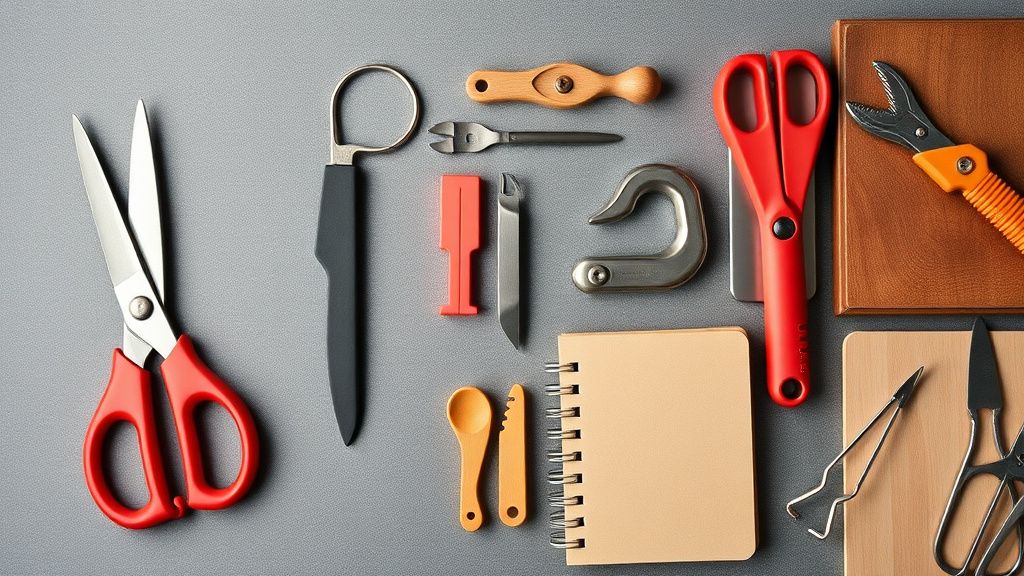
Why Left-Handed Crafting Tools Matter
Left-handed crafters face unique challenges when using standard tools designed for right-handed users. Scissors that don’t cut cleanly, rulers with reversed measurements, and ergonomic discomfort can stifle creativity. Specialized left-handed crafting tools address these issues by optimizing blade orientation, grip comfort, and measurement readability. Whether you’re sewing, scrapbooking, or woodworking, the right tools can make the difference between frustration and flawless execution.
Essential Left-Handed Crafting Tools
Left-Handed Scissors
Standard scissors force left-handed users to push the blades apart, resulting in jagged cuts. True left-handed scissors reverse the blade orientation so the natural hand motion applies proper pressure. Look for:
- Blade alignment – The top blade should be on the left side for better visibility.
- Ambidextrous vs. true left-handed – Some “ambidextrous” scissors still favor right-handed users.
- Comfort grips – Contoured handles reduce strain during prolonged use.
Left-Handed Rulers and Cutting Mats
Many rulers feature measurements that start from the left, forcing left-handed users to read numbers upside-down or backwards. Solutions include:
- Dual-scale rulers – Measurements printed in both directions.
- Left-handed cutting mats – Grid lines and angles oriented for left-handed cutting.
Ergonomic Craft Knives and Rotary Cutters
Right-handed rotary cutters can feel awkward and unsafe when used with the left hand. Left-handed versions offer:
- Reversed blade orientation – Ensures smooth, controlled cuts.
- Adjustable grips – Accommodate different hand sizes and pressure points.
Specialty Tools for Sewing and Quilting
Left-handed sewists often struggle with right-biased tools like:
- Left-handed seam rippers – Angled blades for precision.
- Marking tools – Chalk wheels and pens designed for left-to-right motion.
- Fabric shears – Offset handles for better fabric control.
Adapting Right-Handed Tools vs. Buying Left-Handed
While some right-handed tools can be adapted (e.g., repositioning a ruler), others—like scissors or rotary cutters—require dedicated left-handed designs. Consider:
- Task frequency – If you craft daily, investing in specialized tools pays off.
- Safety – Poorly adapted tools can lead to slips or strain.
- Precision – Left-handed tools ensure cleaner cuts and more accurate measurements.
What to Look for When Buying Left-Handed Crafting Tools
- Blade or Edge Orientation – Ensure cutting tools are truly left-handed, not just labeled “ambidextrous.”
- Ergonomics – Look for contoured grips and weight distribution suited for left-handers.
- Material Quality – Durable blades and non-slip handles improve longevity and performance.
- Measurement Clarity – Rulers, mats, and gauges should have easy-to-read markings from a left-handed perspective.
- User Reviews – Feedback from other left-handed crafters can reveal hidden flaws or advantages.
Final Thoughts
Left-handed crafters no longer need to struggle with ill-fitting tools. By choosing purpose-built scissors, rulers, knives, and sewing aids, you can work more efficiently and comfortably. Whether you’re a hobbyist or a professional, the right tools unlock creativity by removing unnecessary obstacles. Invest in quality left-handed crafting tools, and enjoy the difference they make in every project.