Your Go-To Guide for Left-Handed Sewing and Quilting Tools

By Mike Southpaw · Left-Handed Tool Tester
Published June 22, 2026 · Last reviewed June 22, 2026
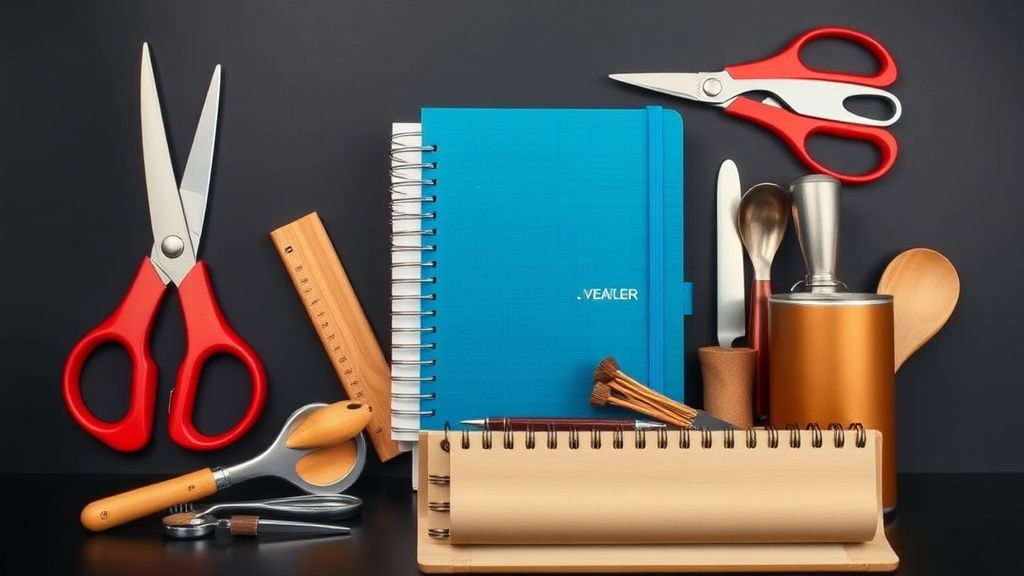
Your Go-To Guide for Left-Handed Sewing and Quilting Tools
Left-handed sewists and quilters face unique challenges when working with standard tools. From awkward scissors to rotary cutters that strain the wrist, using right-handed equipment can slow down productivity and cause discomfort. Fortunately, specialized left-handed sewing and quilting tools exist to make your craft smoother and more enjoyable. This guide covers essential tools, their benefits, and what to look for when shopping.
Essential Left-Handed Sewing Tools
Left-Handed Scissors
Standard scissors are angled for right-handed users, forcing left-handers to push rather than pull the blades, leading to imprecise cuts and hand fatigue. True left-handed scissors have reversed blades, ensuring clean cuts and a natural grip.
Key Features:
- Blades are ground for left-handed use (cutting edge on the opposite side).
- Ergonomic handles reduce strain.
- Ambidextrous scissors often don’t work as well—look for dedicated left-handed models.
Best For: Fabric cutting, thread snipping, and detailed appliqué work.
Left-Handed Rotary Cutters
Rotary cutters are a quilter’s best friend, but standard models are designed for right-handed users, making it harder to see markings and apply even pressure. Left-handed versions feature reversed blades and ergonomic handles.
Key Features:
- Blade release mechanism positioned for left-hand access.
- Comfort-grip handle with a natural left-hand curve.
- Retractable safety lock operable with the left hand.
Best For: Cutting straight lines, curves, and multiple fabric layers.
Left-Handed Seam Rippers
Seam rippers often have angled blades that don’t work efficiently for left-handed users. A left-handed seam ripper ensures better control and precision when unpicking stitches.
Key Features:
- Reversed blade angle for easier left-hand maneuvering.
- Non-slip grip to prevent slipping during delicate work.
Best For: Fixing mistakes, removing basting stitches, and altering garments.
Specialized Left-Handed Quilting Tools
Left-Handed Rulers and Cutting Mats
Clear quilting rulers often have measurements starting from the left, making it harder for left-handed users to align fabric accurately. Some brands offer rulers with mirrored numbering.
Key Features:
- Double-sided markings (left and right) for easy visibility.
- Non-slip backing to prevent shifting.
- Grid lines optimized for left-handed cutting angles.
Best For: Measuring, squaring up blocks, and precision cutting.
Left-Handed Thimbles
Traditional thimbles may not fit comfortably on the right hand when sewing left-handed. Look for adjustable or ambidextrous thimbles with a smooth surface for pushing needles.
Key Features:
- Open-ended or adjustable sizing for a snug fit.
- Reinforced tip for needle protection.
Best For: Hand quilting, embroidery, and appliqué.
Left-Handed Needles and Pins
While most needles are symmetrical, some specialty pins (like quilting pins) have angled heads that work better for right-handers. Left-handed versions ensure smoother insertion and removal.
Key Features:
- Glass-head pins for easy gripping.
- Sharper points for effortless fabric penetration.
Best For: Basting, pinning seams, and securing quilt layers.
Left-Handed Sewing Machine Considerations
Most sewing machines are designed with right-handed users in mind, but some models offer adjustable settings for left-handers.
Adjustable Features to Look For:
- Bobbin placement on the left side for easier access.
- Reverse stitch lever positioned for left-hand use.
- Thread guides and tension dials visible from the left.
Tip: Test the machine before purchasing to ensure comfortable operation.
What to Look for When Buying Left-Handed Sewing Tools
- True Left-Handed Design – Avoid “ambidextrous” tools unless they genuinely accommodate left-handed use.
- Ergonomics – Look for contoured grips and lightweight materials to reduce strain.
- Blade Orientation – For scissors and rotary cutters, ensure the blade is reversed for left-handed cutting.
- Visibility – Rulers and measuring tools should have clear left-handed markings.
- Safety Features – Locks and releases should be operable with the left hand.
Final Thoughts
Investing in left-handed sewing and quilting tools can transform your crafting experience, making it more efficient and comfortable. Whether you’re cutting fabric, measuring quilt blocks, or hand-stitching, the right tools will help you work with ease. Keep this guide handy when shopping, and don’t settle for tools that don’t suit your needs—your projects (and hands) will thank you!